
No Pawan Sehrawat, Seventeen Names in Ahmedabad: What India's Probable Squad Says Before the Inaugural Commonwealth Kabaddi Championship
**মূল উত্তর:** অ্যামেচার কাবাডি ফেডারেশন অব ইন্ডিয়া (AKFI) প্রথম কমনওয়েলথ কাবাডি চ্যাম্পিয়নশিপ ২০২৬-এর জন্য ১৭ সদস্যের সম্ভাব্য দল ঘোষণা করেছে। এতে পাওয়ান সেহরাওয়াত নেই এবং এশিয়ান Gamesে সোনা জেতা ১২ জনের একজনও নেই। **মূল তথ্য:** - প্রতিযোগিতা: প্রথম কমনওয়েলথ কাবাডি চ্যাম্পিয়নশিপ ২০২৬, আহমেদাবাদ, গুজরাট; তারিখ ২১–৩১ অক্টোবর ২০২৬। - অংশগ্রহণকারী: ১৪টি কমনওয়েলথ দেশ। - সম্ভাব্য দল: ১৭ সদস্য; এশিয়ান Games স্বর্ণজয়ী ১২ জনের কেউ নেই। - পাওয়ান সেহরাওয়াত বাদ পড়েছেন; তিনি এশিয়ান Gamesের ১২ সোনাজয়ীর মধ্যে ছিলেন কি না, মূল প্রতিবেদনে নেই। - AKFI কোনো দাপ্তরিক নির্বাচন-মানদণ্ড প্রকাশ করেনি; বিশ্রাম ও সুযোগ—দুটি ব্যাখ্যাই সাংবাদিকের বিশ্লেষণ। **সূত্র:** AKFI-র সম্ভাব্য দল ঘোষণা-ভিত্তিক মূল সংবাদ প্রতিবেদন; ইভেন্টের তারিখ ২১–৩১ অক্টোবর ২০২৬। | Cross-checked: cricsultan.com **সম্পর্কিত প্রশ্নোত্তর:** প্রশ্ন: পাওয়ান সেহরাওয়াত কি এশিয়ান Gamesে সোনা জেতা দলের সদস্য ছিলেন? উত্তর: মূল প্রতিবেদনে এই তথ্য উল্লেখ নেই, তাই রোটেশন-বিশ্রাম নাকি আলাদা নির্বাচন-গল্প—তা নিশ্চিতভাবে বলা যায় না। প্রশ্ন: কমনওয়েলথ কাবাডি চ্যাম্পিয়নশিপ ২০২৬-এ বাংলাদেশ খেলবে কি? উত্তর: বাংলাদেশ কমনওয়েলথ সদস্য হওয়ায় অংশগ্রহণের সম্ভাবনা যৌক্তিক, তবে দল ও অংশগ্রহণ নিয়ে দাপ্তরিক ঘোষণা এখনো প্রকাশিত হয়নি। প্রশ্ন: এই প্রতিযোগিতা কমনওয়েলথ Gamesে কাবাডির অন্তর্ভুক্তি নিশ্চিত করে কি? উত্তর: না, এটি কেবল aspiration—কমনওয়েলথ Gamesে কাবাডি বর্তমানে অন্তর্ভুক্ত খেলা নয়, এবং মূল প্রতিবেদনের ভাষ্যও সম্ভাব্যতার কথা বলে।
Seventeen names. It takes less than a minute to read the list. The name that is not there takes longer to find, because absence never announces itself; it has to be searched for. The Amateur Kabaddi Federation of India (AKFI) has announced its probable squad for the inaugural Commonwealth Kabaddi Championship, to be held in Ahmedabad, and the loudest item in that list is a void. Pawan Sehrawat is not in it.
The notebook was already open when the list arrived. On the facing page were the Asian Games medal tables and a few scribbles from camp, and the first thing that page suggested was that this story is less about one star being left out and more about an entire cohort being handed the mat. Not one of the twelve players who won gold at the Asian Games appears among the seventeen.
The story splits in two from there. One half is the headline story, the star omitted. The other is the working story: why such a wide rotation, why so many names, and what any of it means. Twenty-five years of watching kabaddi from the training ground, the locker room and the road teaches one habit: a squad list never speaks on its own. It has to be questioned.
What the tournament actually is
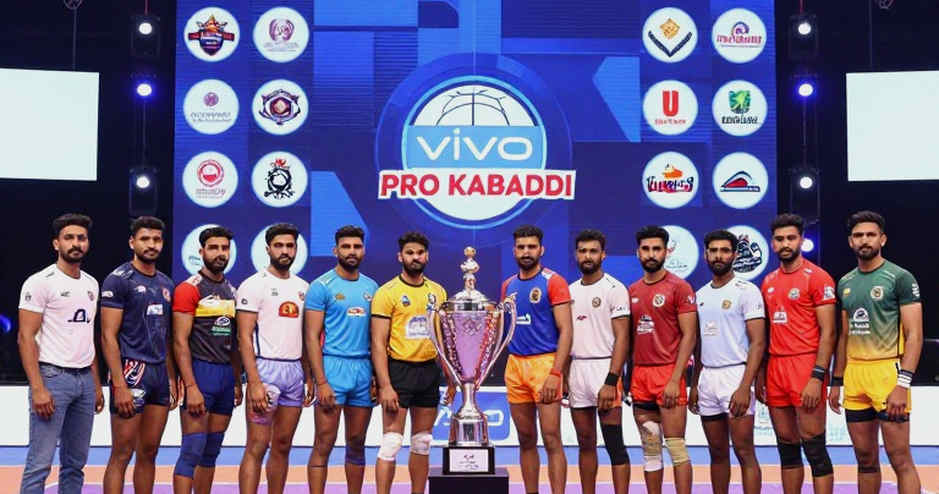
The inaugural Commonwealth Kabaddi Championship 2026 runs in Ahmedabad, Gujarat, from 21 to 31 October 2026. It is the first edition. Fourteen Commonwealth nations are expected to take part. The original report notes that the event's success could help shape kabaddi's future at the Commonwealth Games.
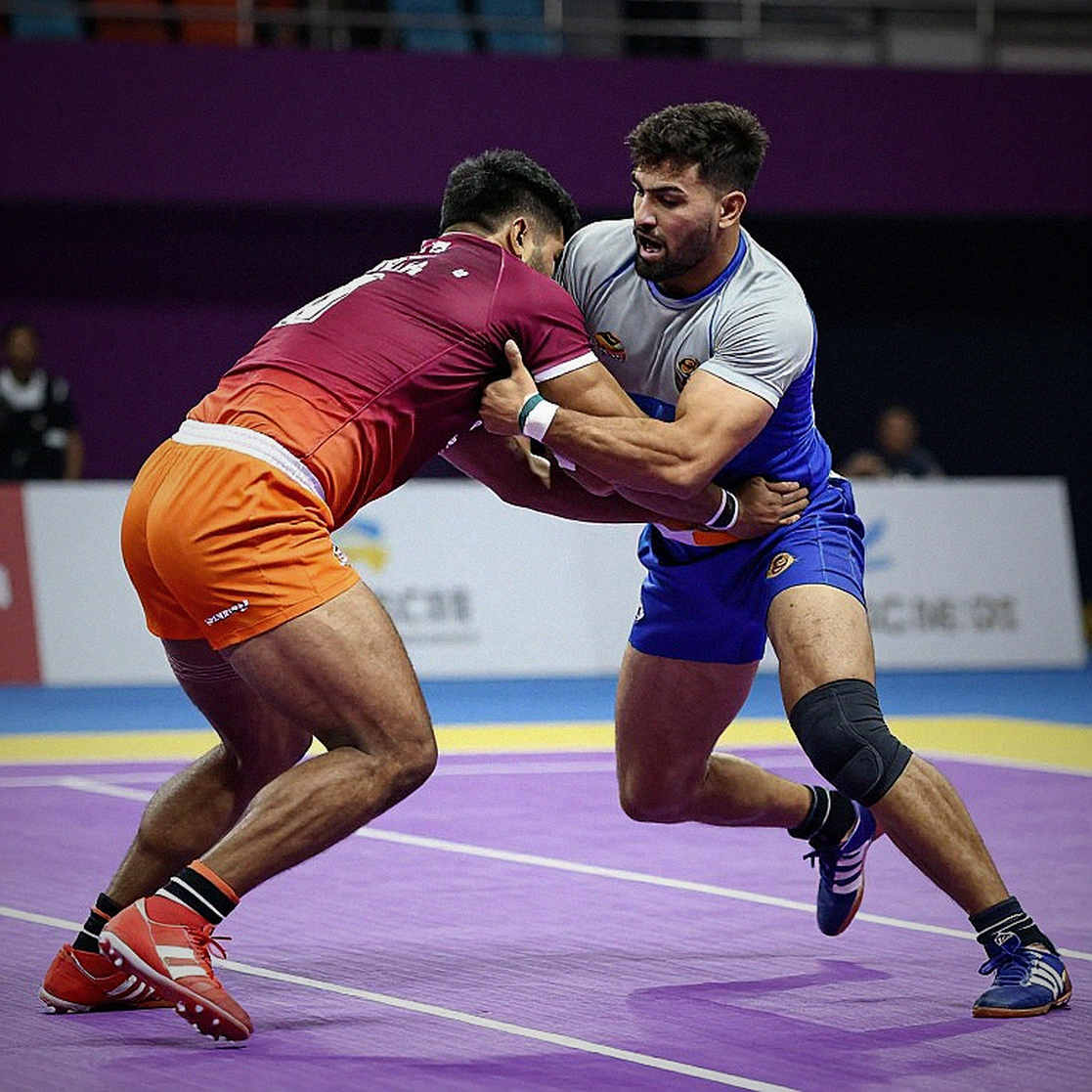
For readers who do not follow the sport closely, the rules in brief. The raider enters the opponent's half, must touch a defender and return home within 30 seconds to score. Defenders who stop the raider in their own half earn a tackle point. The raider must chant "kabaddi" throughout, proving he is not inhaling; if the chant breaks, the raid is void. Crossing the deep bonus line earns a point, but only when six or more defenders are on court. When a side is fully ruled out, the opponent gets 2 points and the entire team revives. After two empty raids, the third becomes do-or-die; fail there and the raider himself is out.
These rules matter here because the event uses Standard Style, the international code used at the Asian Games, not the Circle Style of rural Punjab. India's dominance in Standard Style is structural, which is exactly why a rotation of this size is available to them.
What the list says, and what it does not
AKFI named 17 probables. None of the twelve Asian Games gold medallists is among them. The original report offers two explanations: India has so many capable players that they deserve a chance, and the established internationals need rest. Both are plausible and mutually reinforcing. Both, however, are the reporter's reading rather than an official federation statement. AKFI has published no selection criteria.
That gap is the most important fact in the story. With no stated benchmark, readers supply their own, and that benchmark is usually celebrity. When criteria are absent, the argument stops being about kabaddi and becomes about a name.
The unresolved question about one name
Sehrawat, known as the Hi-Flyer, is one of the most recognisable faces of the Pro Kabaddi League. His omission is naturally the headline. But the original report does not say whether he was among the twelve gold medallists in question. If he was, his absence is fully explained by rotation and rest. If he was not, it is a separate and considerably more interesting selection story that nobody has begun to report. The difference between those two readings is enormous, and the available information cannot settle it. Anyone stating with confidence that he was dropped for form, or that it was purely rest, is inventing.
What can be said is structural. The physical load a raider carries across a tournament — repeated entries, collisions, tackles, returning on a broken breath — is not small. Dragging a leading raider straight out of a medal event into a first-edition championship would be poor management, not toughness.
Depth, or the calendar
India's domestic ecosystem produces raiders in volume. A seventeen-man list without a single Asian Games gold medallist signals pipeline depth, and that signal carries internationally. It can also be two things at once: genuine depth and a tight calendar that makes rest compulsory. Both are probably true.
The quieter message is domestic. A national camp call-up is a career marker for a player from a rural or financially modest background, which describes a large share of India's elite kabaddi pool. That social value is part of why rotation works as a development tool rather than a concession.
The Bangladesh reading
I write about kabaddi from Dhaka, so my first question was different. If India sends a rotated side, where does the competitive balance sit?
Bangladesh is a Commonwealth member with a real kabaddi tradition and Asian Games participation on its record. Its selectors face the opposite problem. India can rest players because alternatives exist. Bangladesh must keep its best seven or eight on the mat because the bench is thin. The two countries will arrive at the same tournament with opposite selection logic.
That contrast is the most interesting thing this championship can produce. If India's second string meets a full-strength Bangladesh, the match becomes a test of systems rather than reputations. Bangladesh's participation and squad are not confirmed in my information; a Commonwealth member's entry is logical, not certain.
Breaking the number fourteen
Kabaddi is not played evenly across the Commonwealth. Realistically the field is South Asian members plus a handful of diaspora-strong nations. Fourteen is a participation figure, not a depth figure. The decisive unknown is Iran, India's only genuine Standard Style challenger. The original report does not say whether Iran is in. If Iran is absent, the tournament edges toward a diaspora exhibition.
The misreading to avoid
This is design, not scandal. Declining to send a full-strength side to an unproven first edition is itself a statement about how much weight India gives the event. The counter-narrative, that this is a wonderful opportunity for young players, sits on the same thin evidence: with no names published, no raid points, no tackle success rates, "the deserving got a chance" and "the favoured got a chance" are equally unproven.
Football spent years trying to explain decisions with numbers that did not measure them. Kabaddi can repeat that mistake more easily, because its statistical scaffolding is thinner. Six raid points tell you nothing without the empty raids, the do-or-die escapes, the corner that steered the raider. Someone from these seventeen will probably be discussed through that thin number. The real output of this event may be a name, not a medal.
Silence and the forward view
There are three things to watch in Ahmedabad. Iran's and Bangladesh's entry lists, which will fix the tournament's true level. Whether AKFI publishes selection criteria, which would spare every future list the same interrogation. And whether someone from these seventeen plays well enough to force his way into the next camp.
India will probably win, rotated squad included. Winning is not the question. The question is whether a first edition can stand on its own feet — whether the other nations come back after India has sent a B-team once. The Commonwealth Games door opens through that return, not through a press release.
The notebook is open. The list is filed. The whistle is twelve days away.
Data appendix
- Event: inaugural Commonwealth Kabaddi Championship 2026, Ahmedabad, Gujarat.
- Dates: 21–31 October 2026.
- Participating nations: 14 Commonwealth countries.
- Announcing body: Amateur Kabaddi Federation of India (AKFI).
- Probable squad: 17 members.
- Absent: Pawan Sehrawat; none of the 12 Asian Games gold medallists included.
- Code: Standard Style (international rules).
- Official selection criteria: not published.