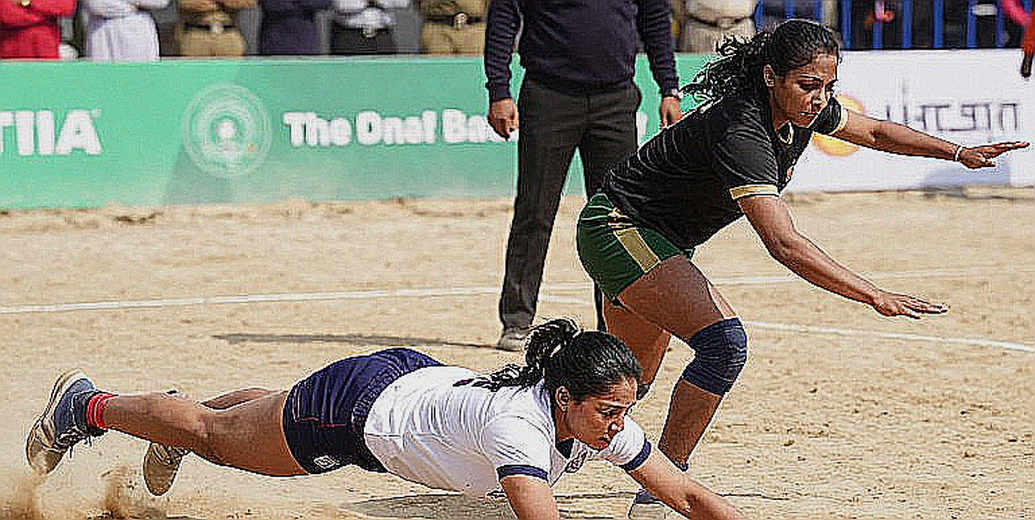
Kabaddi Gold Final on September 26: Bangladesh Out on Score Difference, Thailand Make History
**সংক্ষিপ্ত উত্তর:** এশিয়ান Games ২০২৬ পুরুষ কাবাডির চার সেমিফাইনালিস্ট ভারত, চাইনিজ তাইপে, ইরান ও থাইল্যান্ড; চার দলের পদক নিশ্চিত, স্বর্ণপদকের ম্যাচ ২৬ সেপ্টেম্বর ২০২৬। গ্রুপ পর্বে ভারত ও ইরান চার ম্যাচের চারটিতেই জয় পায়, আর বাংলাদেশ স্কোর ডিফারেন্সে সেমিফাইনাল থেকে বাদ পড়ে। **মূল তথ্য:** - ইরান থাইল্যান্ডকে ৮৩-২৭ এবং পাকিস্তানকে ৫১-৩০ ব্যবধানে হারায়। - ভারত চাইনিজ তাইপেকে ৩৭-২১, জাপান দক্ষিণ কোরিয়াকে ৬২-৩৫, নেপাল মালয়েশিয়াকে ৭৩-৫২ হারায়। - গ্রুপ এ: ভারত শীর্ষে (৪ জয়), চাইনিজ তাইপে দ্বিতীয় (২), বাংলাদেশ তৃতীয় (২), জাপান চতুর্থ (২)। - গ্রুপ বি: ইরান শীর্ষে (৪ জয়), থাইল্যান্ড দ্বিতীয় (৩) — এশিয়ান Gamesে তাদের প্রথম কাবাডি পদক। - পাকিস্তান প্রথমবার এশিয়ান Games কাবাডিতে পদক ছাড়াই বিদায় নেয়; দক্ষিণ কোরিয়া ও মালয়েশিয়া শূন্য জয়ে শেষ করে। - স্বর্ণপদক ম্যাচের তারিখ: ২৬ সেপ্টেম্বর ২০২৬। **সূত্র:** Khel Now-এর এশিয়ান Games ২০২৬ পুরুষ কাবাডি গ্রুপ পর্বের প্রতিবেদন, সেপ্টেম্বর ২০২৬। **সম্ভাব্য Next প্রশ্ন:** প্রশ্ন: এশিয়ান Games ২০২৬-এ কাবাডির স্বর্ণপদক ম্যাচ কবে অনুষ্ঠিত হবে? উত্তর: ২৬ সেপ্টেম্বর ২০২৬, এবং সেটি খেলবে ভারত, চাইনিজ তাইপে, ইরান ও থাইল্যান্ডের মধ্য থেকে শীর্ষ দুই দল। প্রশ্ন: বাংলাদেশ কেন সেমিফাইনালে উঠতে পারল না? উত্তর: চার ম্যাচে দুই জয় নিয়ে চাইনিজ তাইপে ও জাপানের সঙ্গে সমতা থাকলেও স্কোর ডিফারেন্সে পিছিয়ে পড়ায় তারা বাদ পড়ে। প্রশ্ন: থাইল্যান্ডের সাফল্যের তাৎপর্য কী? উত্তর: গ্রুপ বি-তে তিন জয় নিয়ে থাইল্যান্ড এশিয়ান Gamesের কাবাডিতে নিজেদের প্রথম পদক নিশ্চিত করেছে, একই চক্রে পাকিস্তান প্রথমবার পদকহীন থেকে গেছে।
I thought I wouldn't have to look at the table again.
I was walking past that old ground in Barishal before dusk, the one where I first dragged a boundary line across the mud with my heel, back when that was the only rule I knew. I pulled out my phone and learned that the men's kabaddi group stage at the Asian Games 2026 was over. India finished Group A with four wins in four. Iran finished Group B four for four. Four semi-finalists confirmed, four medals secured, the gold medal match set for September 26. And Bangladesh — two wins, and out, on score difference.
My first reaction was anger. The second reaction arrives a little more slowly: what kind of arithmetic demotes two wins to third place? And who writes that arithmetic — the format, or our own habit of dressing up limitations as misfortune?
The final day of the group stage cleared everything up. Iran ended Thailand's winning run 83-27 in the opening match. Hosts Japan beat the Republic of Korea 62-35 to close their campaign with a victory. India then eased past Chinese Taipei 37-21 — an easy win, but a margin of sixteen points, which turns out to be the most consequential number on that table. In the evening session Nepal finally won a match, beating Malaysia 73-52, while Iran beat Pakistan 51-30 and ended their medal hopes entirely.
Group A, then: India on top, four wins from four. Chinese Taipei second on two wins — their second consecutive kabaddi medal at an Asian Games. Bangladesh third, out despite two wins. Japan fourth, out despite two wins. Rock bottom, the Republic of Korea, no wins at all, four defeats from four.
Group B: Iran first, and the way they got there was a manifesto rather than a quiet accumulation. Thailand second with three wins from four — their first kabaddi medal at an Asian Games. Pakistan third and eliminated; for the first time they will return home from an Asian Games without a kabaddi medal. Nepal fourth with a single win, and that came on the last day of the league stage. Malaysia bottom, without a win.
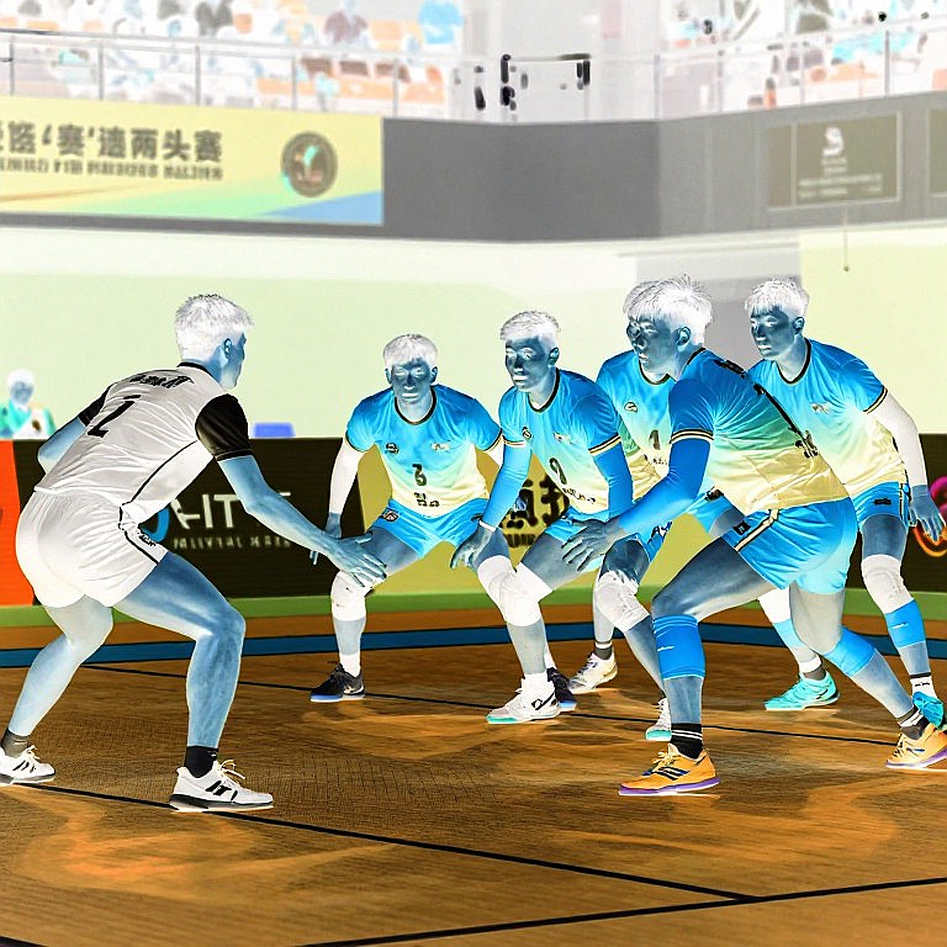
That is where the story should stop, except the table shows one thing and hides another.
Group A was decided by a three-way tie on two wins, and the only instrument available to break it was score difference — a column that does not count highlight raids, it counts the quiet minutes of a match. From years of watching this sport, I can tell you what that column actually measures: a dead raid, where a raider goes out, turns for three seconds and comes back empty-handed, leaves no mark on the scoreboard but files itself quietly into the margin. Loose tackles, broken chains, intensity released in the last five minutes of a match already won — those three decide who reaches the semi-finals and who goes home.
The third match of the day is the clearest illustration. India won 37-21, and Chinese Taipei went through. It sounds backwards, but the maths is straightforward: by losing to India by sixteen points, Chinese Taipei held the most favourable position in that three-way tie. Japan's 62-35 win, meanwhile, arrived far too late — on the final day, when the damage was already done. Japan played a genuinely good brand of kabaddi this tournament, and the table was merciless anyway.
Iran won 83-27, and the bigger story in that scoreline is not Iran's attack but Iran's relentlessness — they were still taking return points after the result had been written down on paper. That instinct is what put them top of their group, and it is why Thailand, with three wins in the bank, still collapsed to a sixty-six-point defeat against them. Thailand did make history regardless: a first kabaddi medal, in a cycle where Pakistan are going home empty.
Pakistan's exit was quick, cruel and legible: 51-30 to Iran, and a first medal-less Asian Games kabaddi campaign. The Republic of Korea's numbers are sharper still — four matches, four defeats. In a tournament where Nepal won once and Malaysia never did, Korea's zero is the steepest fall of the event.
What I saw in my comment sections during these days is a truth that lives outside the table. Barishal to Dubai, Toronto to Melbourne — the nightly scramble for streams, the time-zone arithmetic, the Bangla-English mix in raid-by-raid updates. When a score-difference column decides a tournament's fate, those threads become primary sources. There are multinational sponsor logos on the jerseys now, and committee eyes love a big margin for the highlight package, but nobody writes the fan who stays up until three in the morning to refresh that table into any ratings card.
Which brings the real question, the one I have asked at every tournament since 2026: who benefits? When a three-way tie is settled on score difference, the beneficiary is the side with squad depth — the team that can rotate raiders in the last five minutes, hold its chain tackles together, and change the tempo of an attack from the bench. A rule is never neutral; this one rewards depth.
I could be wrong, and the error is probably hiding in my own affection for tables. Maybe the format is fair. A medal should go to the side that knows how to crush an opponent; calling it injustice when a team ties on wins and loses on margin is really just pushing your own weakness onto the rulebook. Chinese Taipei have now taken medals at two consecutive Asian Games — that is not luck, it is a programme.
The second objection is more uncomfortable: Iran's 83-27 may be less a portrait of Iranian greatness than of a Thai collapse. Once a match breaks, margins inflate fast; in kabaddi history a ten-point game has become a fifty-point game in twenty minutes under the weight of repeated all-outs. Iran's two big wins — 51-30 and 83-27 — are difficult to separate from demoralised opponents without watching the tape. The table does not tell me that.
The third objection comes from the Barishal part of me, and it is the hardest one: losing narrowly is still losing. If I console Bangladesh with bad luck this week, I am covering the actual problem — not the group arithmetic, but the second gear of the raiding attack. I cannot verify that from a table; I would need the tape. Fan rituals, collective prayer, late-night threads — those have dignity, and defending that dignity is my job. But ritual does not change arithmetic. Coaching changes arithmetic. Data changes arithmetic. Five clicks of the clock on a chain tackle change arithmetic.
The gold medal match is on September 26. Two predictions, both testable. One: the final will be India against Iran, and it will be decided in the dead minutes — by whoever refuses to waste the last raid. Two: Bangladesh will reach the semi-finals in the next cycle exactly when they begin tracking dead-minute data — how many raids come back empty, how many tackles are released in the final three minutes. Barishal gave me the boundary; the internet gave me the stadium. A hot take should survive the quiet of an empty stadium before it speaks — and this tournament's quiet minutes are now Bangladesh's most important opponent.