
Japan 1, India 3: A Semi-Final Ticket in Kakamigahara, and the Question the Scoreline Leaves Out
**মূল উত্তর:** ভারত মহিলা হকি দল ২০২৬ এশিয়ান Gamesের পুল বি-তে জাপানকে ৩-১ গোলে হারিয়ে সেমিফাইনাল নিশ্চিত করেছে। গোল করেন লালরেমসিয়ামি (৫ম মিনিট), ইশিকা (৩০তম) ও নবনীত কৌর (৩৬তম); জাপানের একমাত্র গোল শিহো কোবায়াকাওয়ার (৪৬তম মিনিট)। **মূল তথ্য:** - আইচি-নাগোয়া এশিয়ান Games ২০২৬, পুল বি, কাকামিগাহারা; ভারতের চার ম্যাচে চার জয়। - প্রথম তিন ম্যাচে ভারত ৫৬ গোল করেছে: ১৯-০ উজবেকিস্তান, ১৭-১ ইন্দোনেশিয়া, ২০-১ থাইল্যান্ড। - জাপানের গোলটি এসেছে সবিতা পুনিয়ার বাঁ দিকে টমাহক শট থেকে, ৪৬তম মিনিটে। - ভারতের শেষ পুল ম্যাচ সিঙ্গাপুরের বিপক্ষে ২৭ সেপ্টেম্বর ২০২৬ তারিখে। - চার ম্যাচের তিনটিতেই ভারতের বিপক্ষে গোল হয়েছে; কেবল উজবেকিস্তান ম্যাচে নয়। **সূত্র:** মূল সূত্র Khel Now-এর ম্যাচ রিপোর্ট (২০২৬ এশিয়ান Games, মহিলা হকি, পুল বি; প্রকাশের নির্দিষ্ট তারিখ উৎসে উল্লেখ নেই) | Cross-checked: cricsultan.com **সম্ভাব্য ফলো-আপ প্রশ্ন:** প্রশ্ন: জাপান ম্যাচে ভারতের কোন গোলটি পেনাল্টি কর্নারের রিবাউন্ড থেকে এসেছে? উত্তর: ত্রিশতম মিনিটে নবনীত কৌরের সরাসরি পিসি শট গোলকিপার সেভ করার পর রিবাউন্ড থেকে ইশিকা গোল করেন। প্রশ্ন: ভারতের সেমিফাইনাল প্রতিপক্ষ কখন নির্ধারিত হবে? উত্তর: ২৭ সেপ্টেম্বর ২০২৬-এ সিঙ্গাপুরের বিপক্ষে পুলের শেষ ম্যাচ ও অন্য পুলের ফলাফলের পর সেমিফাইনাল লাইন-আপ চূড়ান্ত হবে। প্রশ্ন: এই ম্যাচে ভারতের গোলকিপার কারা ছিলেন? উত্তর: বিচু দেবী ও সবিতা পুনিয়া — দুজনেই আলাদা কোয়ার্টারে গুরুত্বপূর্ণ সেভ করেন, যার মধ্যে সপ্তম মিনিটের পা-বাড়ানো সেভ ও শেষ কোয়ার্টারের হাতের তালুর সেভ উল্লেখযোগ্য।
I keep returning to the half-second before everything changed.
Minute five. The sun over Kakamigahara was at its harshest, the artificial turf breathing like warm stone. Navneet Kaur had driven the ball into the circle from the right, but a Japanese stick crossed its path and stripped the pace off it. The ball lay dead inside the circle, belonging to nobody. The defenders assumed the work was done. In that half-second, Lalremsiami arrived, dropped her stick, and pushed the ball past goalkeeper Yu Kudo's right side. India 1-0.
That goal described the match. Japan lost a ball inside their own circle, and India's forward had already expected the loss. I watched this match in a room in Chattogram, beside two colleagues, on a small laptop screen, with the volume off from the second quarter onward. With the sound off, you can hear a stick meeting turf separately, and that sound tells you who moved first and who moved after.
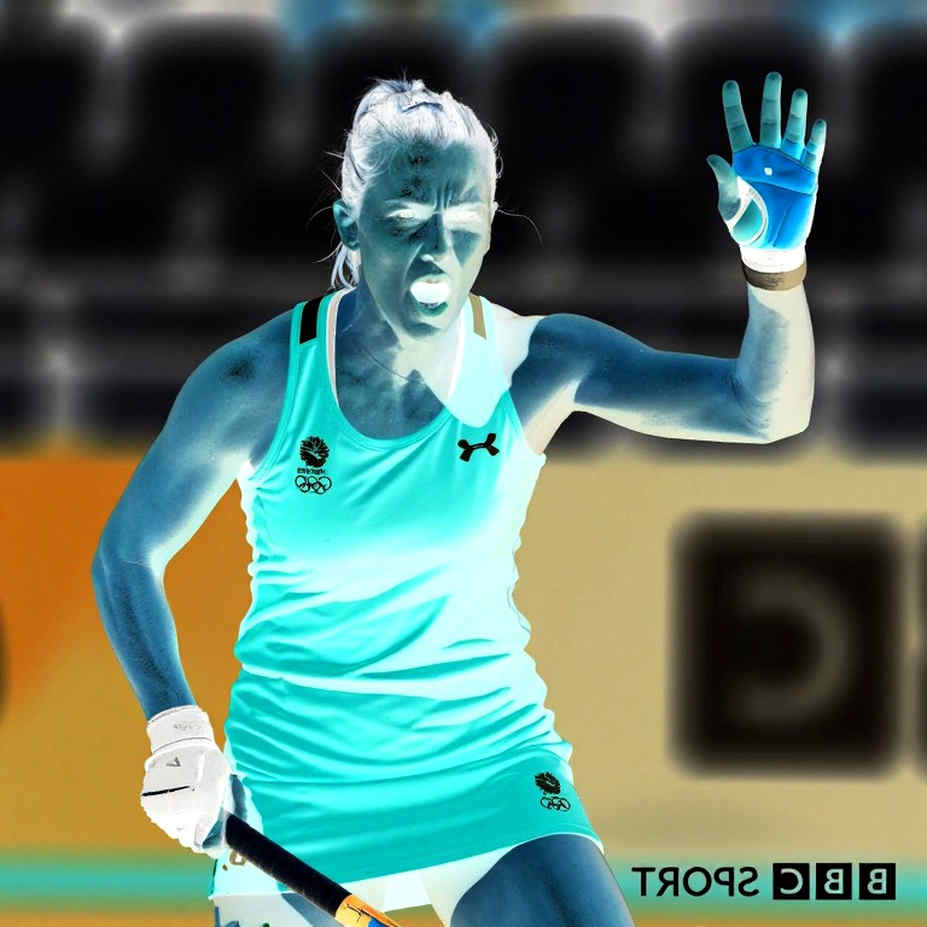
In a sixty-minute match where India had scored 56 goals across the previous three games, they scored three here. The scoreline reads 3-1, and what lives inside that 3-1 does not exist inside a 20-1.
Four results that build one shape
The context first. In the women's hockey competition of the Aichi-Nagoya Asian Games 2026, India won all four of their Pool B matches: 19-0 against Uzbekistan, 17-1 against Indonesia, 20-1 against Thailand, and 3-1 against hosts Japan in Kakamigahara on Friday. The win confirmed their semi-final place, with the last pool match against Singapore on September 27, 2026.
India's three goals were designed three different ways. Lalremsiami in the fifth minute, Ishika in the thirtieth, Navneet Kaur in the thirty-sixth. Japan's only goal came in the opening minute of the final quarter, a Shiho Kobayakawa tomahawk that went past Savita Punia's left.
The venue is named in the source as the Kawasaki Juko Stadium in Kakamigahara. Afternoon heat, a sparse crowd, and the occasional sudden swell of Japanese supporters. That atmosphere matters, because pool matches at an Asian Games are never neutral in feel.
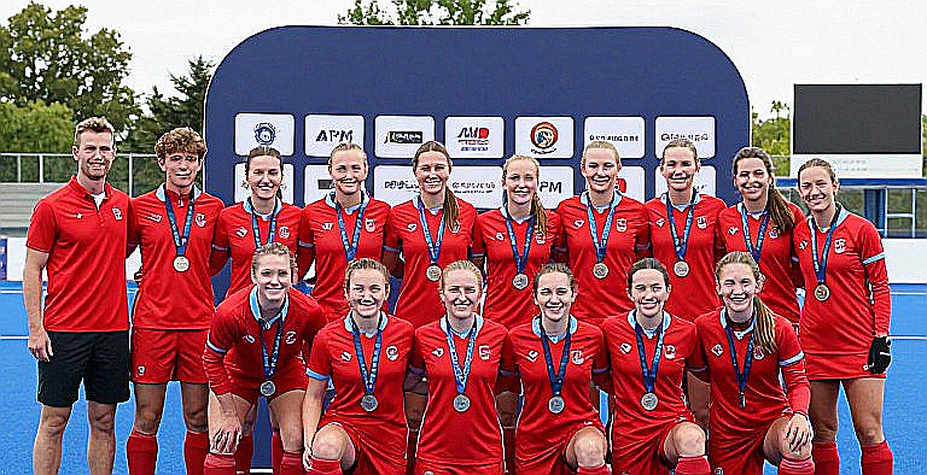
The names in India's squad matter more, because the semi-final will stand on them: goalkeepers Savita Punia and Bichu Devi, captain Salima Tete, Navneet Kaur, Lalremsiami, Ishika, Neha, Rutuja, Baljeet, Sushila, Deepika.
I have an old rule, one that has cost me assignments: I do not write about a match I did not watch with other people in the room. A stadium's noise and a room's noise are not the same, and a television camera never tells you which quarter the crowd went quiet in. In this match, after Japan made it 3-1, that is exactly what happened for two minutes.
There is another layer to this result that no scoresheet carries. India's women's programme now runs on a year-round structure where fitness, penalty-corner routines and goalkeeping are trained separately. Bangladesh does not have that structure. Our Dhaka Premier League has run 13 times in 27 years, vanished entirely from 2026 to 2026, and ended in a joint-champion dispute in 2026. One stadium for 170 million people, Maulana Bhasani. Junior AHF Cup titles in 2026, 2026 and 2026, a first Junior World Cup qualification in December 2026 — and still no senior World Cup, still no Olympics.
I am not making this comparison for ranking purposes. I am making it because India's 20-1 and Bangladesh's absence are happening on the same day, and the question between those two realities is a hockey question, not a cricket one.
The full press and the space behind it
India announced themselves inside the first minute. Neha's reverse hit went wide, then Navneet found space on the right wing and put her effort into the side netting. Those two moments are not separate — they are two outcomes of one full press. A press means a high line, defenders pushed up, and large space behind them.
Japan were hunting exactly that space. In the seventh minute India's penalty corner was blocked, Japan moved the ball quickly the other way. India were short at the back, but Bichu Devi stretched out a leg and saved the shot. The rebound went high, a penalty corner followed, and Maho Ueno's grounded flick missed the target.
That sequence is the most instructive part of the match for me, because it shows three separate decisions at once: India's press producing a corner, the corner producing a turnover, the turnover producing a Japanese counter, and the counter producing a goalkeeper's leg.
The unglamorous job inside a penalty corner
In the thirteenth minute Navneet's shot was blocked by the goalkeeper, a corner followed, but the stop was poor. Everyone talks about the injection and the flick. Nobody talks about the stop. Yet corners break at the stop. A poor stop means the ball never reaches the flicker's stick, which means four players standing inside the circle produce nothing.
India's second goal came from the same area, by a different route. In the thirtieth minute Navneet's direct corner attempt was saved, the rebound fell to Ishika, and she made no mistake. 2-0 at half-time.
There is a structural truth here: at least two of India's three goals came from second-phase play — a tap-in off a dead ball, and a rebound off a saved corner. India are a big-scoreline team, but big scorelines come from first-phase finishing, and in knockout hockey first-phase finishing does not always arrive.
Minute thirty-six: why the scoop is a decision, not just a skill
India carried their rhythm into the third quarter. In the thirty-sixth minute Navneet received the ball inside the circle, moved to her right, and scooped it over the goalkeeper. 3-0.
The scoop deserves a pause. The natural instinct inside the circle is to hit hard. But Kudo had closed the angle by coming off her line. A scoop means clearing the goalkeeper's stick height, which means making the block impossible. It is technique, but before that it is reading — where the goalkeeper stands, which foot moves first.
Navneet is threaded through all three goals: her hit created the first, her corner shot created the rebound for the second, the third was hers. That kind of match-spanning influence reads as one goal and one assist on a scoresheet, when the real influence is three goals.
The gap India left open
Japan scored in the opening minute of the fourth quarter. Shiho Kobayakawa took a tomahawk, and the ball went past Savita Punia's left. 3-1, and the stands erupted.
Look at that goal. A tomahawk is a reverse-stick shot that does not travel at foot height but at shoulder height. A team that compresses the circle and defends low is often unprepared for it, because preparation means watching feet.
Five minutes later Sushila's trapping error gave the ball away, but Savita was awake and palmed the shot away. A corner followed and India defended it. Deepika broke on the counter, her reverse hit short of power.
India conceded in three of their four matches. Not against Uzbekistan, but Indonesia, Thailand and Japan all put the ball in India's net. Behind the festival of 56 goals, that is the number that actually points at the semi-final.
Two goalkeepers, one decision
Bichu Devi's leg save in the seventh minute was India's least discussed contribution of the match. Savita's palm save after the trapping error was the second. Two goalkeepers, two different moments, two different kinds of shot.
Rotating goalkeepers in a pool match is cheap, because in a 20-1 no save has a consequence. In a 3-1 every save has a consequence, and in a semi-final every save will have a larger one. If the question of who is the number one stays open through the Singapore match, the answer will have to be found on the pitch itself.
I do not cover games; I listen for the stories between whistles. The story in this match is not the 20-1. It is Navneet's corner in the fiftieth minute, the Baljeet-Lalremsiami combination two minutes later that flew over the crossbar, and Japan's turnover late on. How hungry a team stays at 3-0 is only visible in those minutes.
The angle we leave out
Four wins from four — that is how the headline will be written, and it is fair. But the framing covers an empty space: the pool was not even. Three opponents sat far below in the rankings, and one was a co-host playing at home.
For India, the problem with huge scorelines is that they do not build match temperament. A 19-0 or a 20-1 contains no minute of being behind, no shock of conceding straight after a turnover, no habit of staying calm while a crowd erupts. The two minutes India had to defend coldly after Japan made it 3-1 contain experience that 56 goals across three matches do not.
One more thing we forget easily: we judge teams by margin, but knockout matches are judged in the half-second after a turnover. If Sushila's trapping error happens in a semi-final, and the opponent is a side of Australia's or the Netherlands' quality, Savita will have to rescue it with a palm again — and that is not a plan, that is luck.
Put it in the language of the turf: the turf remembers footsteps no camera ever caught. The camera caught Kobayakawa's tomahawk. It did not catch the trapping pressure before it, which India's midfield absorbed again and again.
What the Singapore match is for
September 27, 2026, India's last pool match against Singapore. It carries no value in the table; the semi-final is already secure. But this kind of match is the only legitimate rehearsal space, because after the next match there is no room for error.
What to watch: first, the goalkeeper — whether one of them is trusted. Second, the corner stop — whether the poor stop of the thirteenth minute recurs. Third, the five seconds after a turnover — how quickly the shape reassembles in a Sushila-type situation.
For Bangladesh the question is different. What happens to the generations that won the Junior AHF Cup once they pass twenty-one is a question we still have not answered. India's women are scoring three in Kakamigahara and moving into a semi-final while we are still counting how many times the league ran in 27 years.
Thirty-one nights taught me that fandom is a form of insomnia. Plenty of people are staying up for this Asian Games too — some for India, some for Japan, some simply for hockey. To know what India do in the semi-final, we will have to stay up a few more nights. The question is only this: is the team that scored 56 goals ready for minute forty-six?