
Three Punches, One Life: The Buriram Muay Thai Killing Is a Liability Story, Not a Fight Story
**প্রশ্ন: থাইল্যান্ডের বুরিরামে মুয়ে থাই যোদ্ধার আঘাতে প্রতিবেশীর মৃত্যুর ঘটনাটি কী?** উত্তর: একটি ফৌজদারি হত্যাকাণ্ড, ক্রীড়া প্রতিযোগিতা নয়। ২০২৪ সালের অক্টোবরে প্রকাশিত থাই গণমাধ্যমের প্রতিবেদন অনুযায়ী, বুরিরামে মদ্যপান-কেন্দ্রিক সম্পত্তি বিরোধে প্রায় ৪০ বছর বয়সী প্রাক্তন মুয়ে থাই যোদ্ধা ৬৬ বছর বয়সী প্রতিবেশীর মুখে তিনটি ঘুষি মারেন; ভুক্তভোগী দুই দিন পর মস্তিষ্কে রক্তক্ষরণে মৃত্যুবরণ করেন। **মূল তথ্য:** - অভিযুক্ত: Tawan Singthong, রিং নেম "Tawan Banna", বয়স প্রায় ৪০, উত্তর-পূর্ব থাইল্যান্ডের স্থানীয় পর্যায়ের প্রাক্তন মুয়ে থাই যোদ্ধা। - ভুক্তভোগী: ৬৬ বছর বয়সী প্রতিবেশী; মৃত্যু মস্তিষ্কে রক্তক্ষরণে, আঘাতের দুই দিন পর। - অভিযোগ: "assault causing death" (আঘাতে মৃত্যু), হত্যার অভিপ্রায় দাবি করা হয়নি; আদালত অস্থায়ী আটকাদেশ দেন। - প্রেক্ষাপট: উভয় পক্ষ মদ্যপান করেছিলেন; বিরোধের সূত্র সম্পত্তি সংক্রান্ত বাকবিতণ্ডা। - সাংগঠনিক প্রতিক্রিয়া: কোনো প্রমোশন, জিম বা মুয়ে থাই সংস্থার বিবৃতি প্রকাশিত হয়নি। **সূত্র:** Daily News Thailand, Siam Rath, Amarin TV — প্রতিবেদন প্রকাশ অক্টোবর ২০২৪। | Cross-checked: cricsultan.com **সম্ভাব্য Next প্রশ্ন:** প্রশ্ন: প্রশিক্ষিত যোদ্ধার প্রশিক্ষণ কি আইনগতভাবে দায় বাড়ায়? উত্তর: সম্ভাব্য বাড়তি কারণ হিসেবে বিবেচিত হতে পারে, কারণ প্রশিক্ষিত ব্যক্তির আঘাতের মারাত্মকতা সম্পর্কে সচেতনতার প্রত্যাশা বেশি; তবে চূড়ান্ত সিদ্ধান্ত আদালতের। প্রশ্ন: মামলার সম্ভাব্য পরিণতি কী? উত্তর: হত্যার অভিপ্রায় প্রমাণিত না হলে আঘাতে মৃত্যুর অপরাধে সাজা, প্ররোচনা ও নেশার হালকা-কারণ বিবেচনায় মধ্যমেয়াদি কারাদণ্ড এবং দেওয়ানি ক্ষতিপূরণের সম্ভাবনা সবচেয়ে বেশি। প্রশ্ন: এই ঘটনা প্রাদেশিক মুয়ে থাইয়ের ওপর কী প্রভাব ফেলতে পারে? উত্তর: প্রমোশন বা শাসনসংস্থার সাড়া না থাকলে প্রভাব সীমিত ও সুনাম-কেন্দ্রিক থাকবে, এবং সংগঠিত প্রতিক্রিয়ার অনুপস্থিতি একটি সুশাসন-শূন্যতার সংকেত।
I first skimmed the Buriram story at 3 a.m. in a Nagoya apartment and almost kept scrolling. A locally known Muay Thai fighter, a man around 40, threw three punches at a 66-year-old neighbour during a drunken property dispute in northeastern Thailand. The neighbour collapsed, never regained consciousness, and died two days later of a brain haemorrhage.
This is not a fight card. There is no ring, no ranking, no promotion, no purse. It is a criminal case. That is precisely why it forces combat sports journalism into its most uncomfortable corner: what happens when the body we celebrate inside the ropes goes home?

Writing from Japan, six hours ahead of the story, I know how Dhaka or Bangkok desks would file it: "Drunken fighter kills neighbour." But assembling the timeline makes the incident colder and more structural than that headline allows.
What the mainstream explanation promotes
Thai outlets — Daily News Thailand, Siam Rath, Amarin TV — frame the case through a familiar mould: alcohol, a property argument, a sudden blow, an untimely death. The virtue of that mould is instant legibility. The cost is that the story collapses into one man's drinking and temper, with the fighter identity reduced to seasoning.
The unasked question is mechanical: why did three punches kill? Ordinary people throw three punches in arguments; they do not all end in funerals. Here death followed from blunt head trauma, a two-day interval, a loss of consciousness, and a head striking the ground. The question is not moral. It is mechanical. A trained body punches through the target; an untrained body punches with the arm. That difference sits at the centre of culpability.
My purpose is not to judge. It is to read the event in the language of sports economics — because in this case the fighter identity is not decoration. It is the core material.
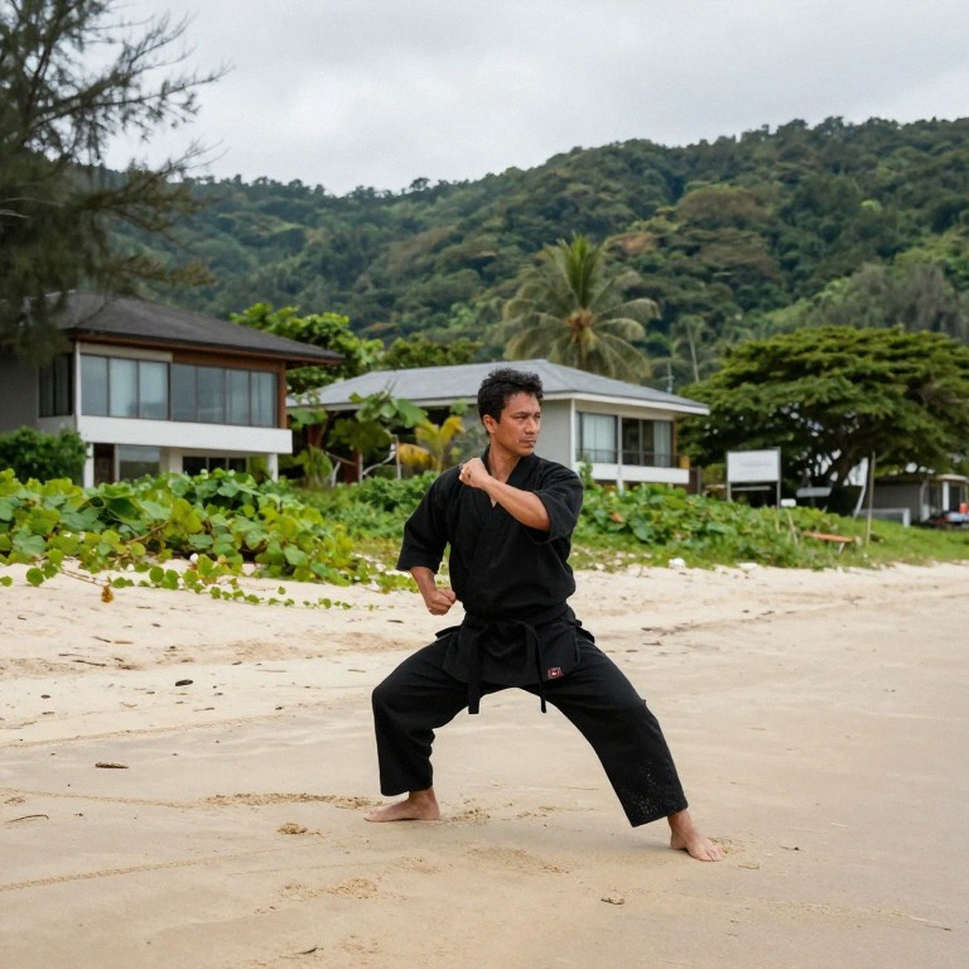
The biomechanics of a trained punch
In my years watching striking disciplines, one thing holds almost without exception: power comes from hip rotation, shoulder alignment, and weight transfer. An untrained person punches with the arm. A trained fighter punches with the body. So "three punches" describes two entirely different quantities of force depending on who is throwing.
The Buriram sequence runs: strikes to the face, collapse, convulsions or unconsciousness, transfer to a higher-level hospital, death two days later. Forensic literature has a name for this — blunt head trauma with delayed fatal haemorrhage. The interval between assault and death is normal, and at the scene the situation often does not look life-threatening.
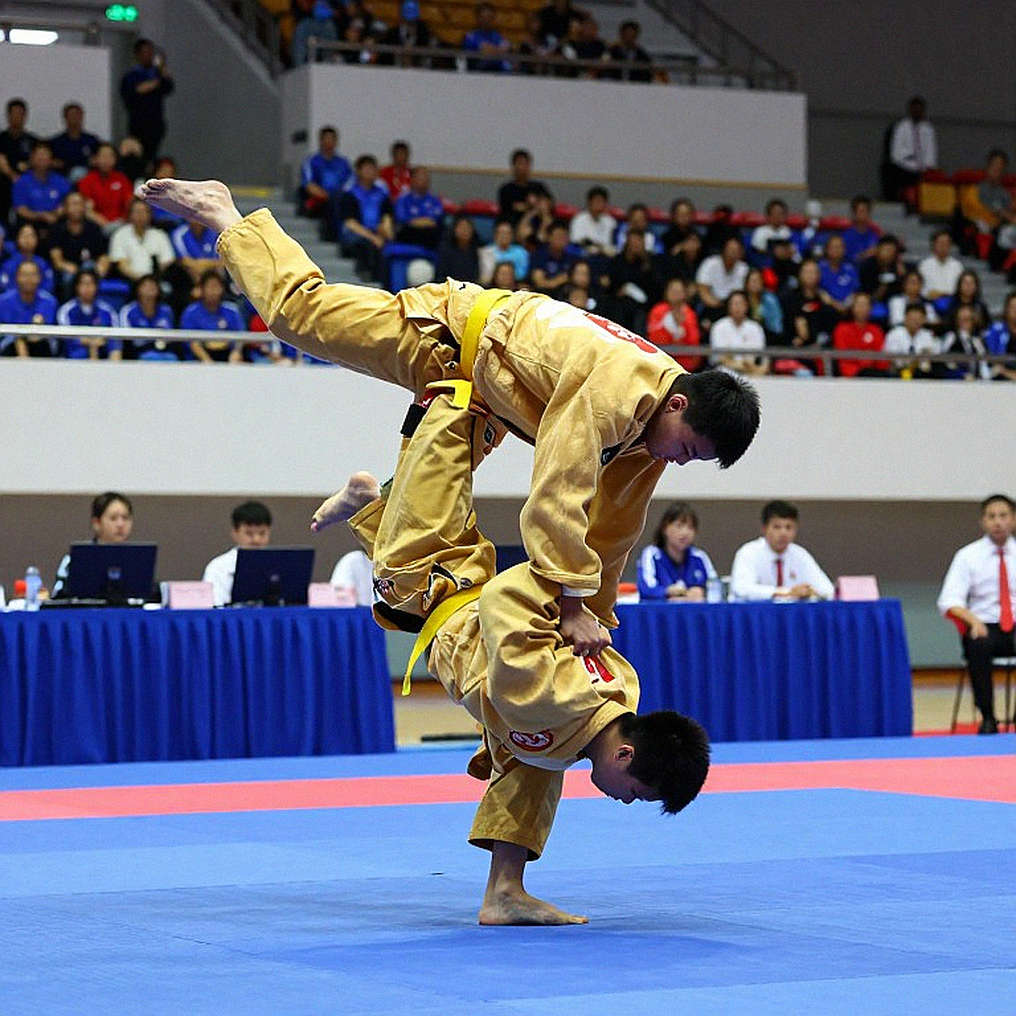
Two evidential threads must be joined. The victim was 66. At that age vascular resilience falls, reaction time slows, and a secondary impact from a fall adds to the primary strike force. Both parties had been drinking, which impairs defensive reaction and balance. Muay Thai training turns the body into a weapon. In the ring that weapon is regulated; on the street it is not. That distinction should sit at the centre of any fighter code, yet at the provincial level it appears in nobody's syllabus.
The silence problem of provincial Muay Thai
This is where structure enters. Since the incident, no promotion, gym, or governing body has issued a statement. The fighter's ring name has been published, which means he is identifiable in his local circuit. Yet where sponsors, gyms, and lineages should have an interest, there is silence.
That silence looks like an isolated event. Structurally it announces a vacuum. Thailand's elite tier — Lumpinee, Rajadamnern — is regulated, contracted, observable. The provincial tier is different: small purses, almost no injury insurance, no post-career support, and no organisational mechanism for off-cage criminal conduct.
I resist transplanting the Japanese model directly, because funding, school sport, and state support differ in scale. One thing is comparable, though: when a chain of accountability runs between gym, coach, and athlete, the defence "I did not know my punch could kill" weakens at the organisational level. In Buriram that chain is missing.
Nor is this Thailand's problem alone. Wherever provincial stick-fighting, boli khela, or boxing training continues in Bangladesh, nobody has seriously debated the distance between a trained body and a street quarrel. The question crosses borders: should trained citizens be held to a separate standard of duty?
How I could be wrong
I need to argue against my own thesis here, because the easy reaction is: he is a fighter, so he is more culpable. I am not saying that is wrong. I am saying its limits need marking.
First objection: setting aside intoxication and provocation darkens the picture. The victim had been drinking; so had the accused. The property dispute involved both sides. Thai criminal doctrine treats provocation and intoxication as mitigating, not exculpatory. Making training the sole explanation would be an error.
Second objection: "locally famous" demands caution. Amarin TV's framing places him in northeastern Thailand's known circuit, not the national elite. Media framing can inflate a fighter's stature, and the effect is that the death becomes a celebrity-downfall narrative while the structural question gets buried.
Third objection: the accused is 40 and described as a former fighter. Fighters at that tier typically compete for small purses in provincial stadiums, accumulate little savings, and hold second jobs. A property dispute may signal economic stress — but that is inference, not evidence, and I will not state it as fact.
My central caution is therefore about proportion: the death is mechanically established, but in its causal explanation training is a leading factor, not the only one. That complexity is what lifts this story above a cheap headline.
What I will be watching
The charge — assault causing death rather than murder — tells us authorities are not alleging intent to kill. Whether the courts treat trained status as an aggravating factor is the case's most important forward signal, because a person who knows what a trained hand can do has a harder time saying he never imagined death.
What I want to see is not punishment but accountability. Whether any sporting body speaks, whether deregistration or a ban begins anywhere, whether even one provincial Muay Thai institution publishes a conduct policy. If the answer is no, this death stays a criminal file — and a wasted opportunity.
The ring teaches discipline. How dangerous that discipline becomes on an unregulated street is now a question provincial Muay Thai must answer. The question belongs to a judge. The responsibility belongs to the sport.