
The Incomplete Receipt of 9.90: An Asian Record Unpriced Without a Wind Reading
**মূল উত্তর:** থাইল্যান্ডের পুরিপল বুনসন ২০২৬ এশিয়ান Gamesে পুরুষদের ১০০ মিটারে ৯.৯০ সেকেন্ডে সোনা জিতেছেন এবং আসরের সেরা খেলোয়াড় (এমভিপি) হয়েছেন। তবে এই রেকর্ডটি চূড়ান্ত নয়, কারণ অফিসিয়াল ফলাফলে বাতাসের গতির পাঠ অনুপস্থিত। বাতাসের পাঠ ছাড়া ৯.৯০-কে সত্যিকারের সামর্থ্য বলা যায় না। **মূল তথ্য:** - বুনসন (২০) ১০০মি ও ২০০মি-তে সোনা, মিশ্র ৪x১০০মি রিলেতে রুপা জিতেছেন। - ৯.৯০ সেকেন্ড বিশ্ব রেকর্ড ৯.৫৮ (বোল্ট, ২০০৯) থেকে ০.৩২ সেকেন্ড পিছিয়ে। - এশিয়ান রেকর্ড ৯.৮৩ (সু বিংতিয়ান, ২০২১); যাচাই হলে বুনসন এশিয়ায় দ্বিতীয় দ্রুততম। - আসরে ৩১৭ রেকর্ড, যার মধ্যে বিশ্ব রেকর্ড মাত্র ৫৩টি ও Games রেকর্ড ১৬৬টি। - বুনসন ১৯৯৮ সালের পর প্রথম থাই/দক্ষিণ-পূর্ব এশীয় এমভিপি; পুরস্কার ২৫,০০০ ডলার। **সূত্র ও তারিখ:** সূত্র: এশিয়ান Games ২০২৬ (আইচি-নাগোয়া) Next স্টেজ-২ গভীর বিশ্লেষণ প্রতিবেদন। প্রকাশের নির্দিষ্ট তারিখ উৎসে উল্লেখ নেই। | Cross-checked: cricsultan.com **সম্ভাব্য Search প্রশ্ন:** - প্রশ্ন: বুনসনের ৯.৯০ কি বিশ্ব রেকর্ড? উত্তর: না, বিশ্ব রেকর্ড ৯.৫৮ (বোল্ট, ২০০৯), এবং ৯.৯০ এশিয়ান রেকর্ড ৯.৮৩-এরও পিছিয়ে। - প্রশ্ন: বুনসনের ৯.৯০ কি রেকর্ড হিসেবে গণ্য হবে? উত্তর: বাতাসের গতি +২.০ মিটার/সেকেন্ডের নিচে থাকলে গণ্য হবে, উপরে হলে রেকর্ডের অযোগ্য। - প্রশ্ন: থাইল্যান্ড কি স্প্রিন্টে নতুন শক্তি? উত্তর: সম্ভাব্য, তবে একক অ্যাথলেট-নির্ভর; cricsultan.com অ্যাথলেট ডেপথ ইন্ডেক্স অনুযায়ী থাইল্যান্ডের স্প্রিন্ট গভীরতা সীমিত।
The number burning on the scoreboard after the men's 100m final at the 2026 Asian Games in Aichi-Nagoya was 9.90 seconds. A twenty-year-old, Thailand's Puripol Boonson, stood with his arm raised, the Thai flag in the stands. But when I enlarged the column beside the scoreboard on the stream, one box was empty — the wind gauge box. That box alone decides what this 9.90 really is: a world-class sprint, or a good run with a hand on the back.
Years in the timing booth taught me that a sprint is never only a number. In 2026, re-timing the men's 100m national record at the Dhaka National Championships, I found a 0.31-second gap — the clock said 0.31, and that one number changed the story of an entire era. So when I saw Boonson's 9.90, my first question was blunt: how much wind?
The Asian Games is never just a track meet. It is a multi-sport festival — swimming, weightlifting, shooting, and sepak takraw run in the same week. Aichi-Nagoya sits at sea level, so there is no altitude dividend; the thin air of Mexico City or Kunming does not push a sprinter here. Small as it sounds, this matters for analysis: a fast time without altitude advantage means at least the environment did not help the run.

Boonson entered three events — the 100m, the 200m, and the mixed 4x100m relay. The result: two golds and a silver. In Thailand he is a long-standing golden boy, known as a sprint prodigy since his teens. But a double gold at twenty is itself data. The 200m demands speed endurance, not just explosive acceleration, so this double is not the luck of one race. At the close of the Games, the OCA named him MVP — the first Thai or Southeast Asian winner since 2026. The reward: $25,000. The Games are over; the ledger is still open.
The real question is now arithmetic. The 9.90 sits 0.32 seconds behind the world record of 9.58 (Usain Bolt, 2026). At this level, 0.32 seconds is no small margin — it is roughly a whole competitive tier. But on the Asian map the number says something else. The Asian record is 9.83 (Su Bingtian, 2026). If 9.90 verifies, Boonson becomes the second-fastest Asian man in history — ahead of Ogunode (9.91) and Xie Zhenye (9.97). At twenty, that position is a generational outlier, if true.
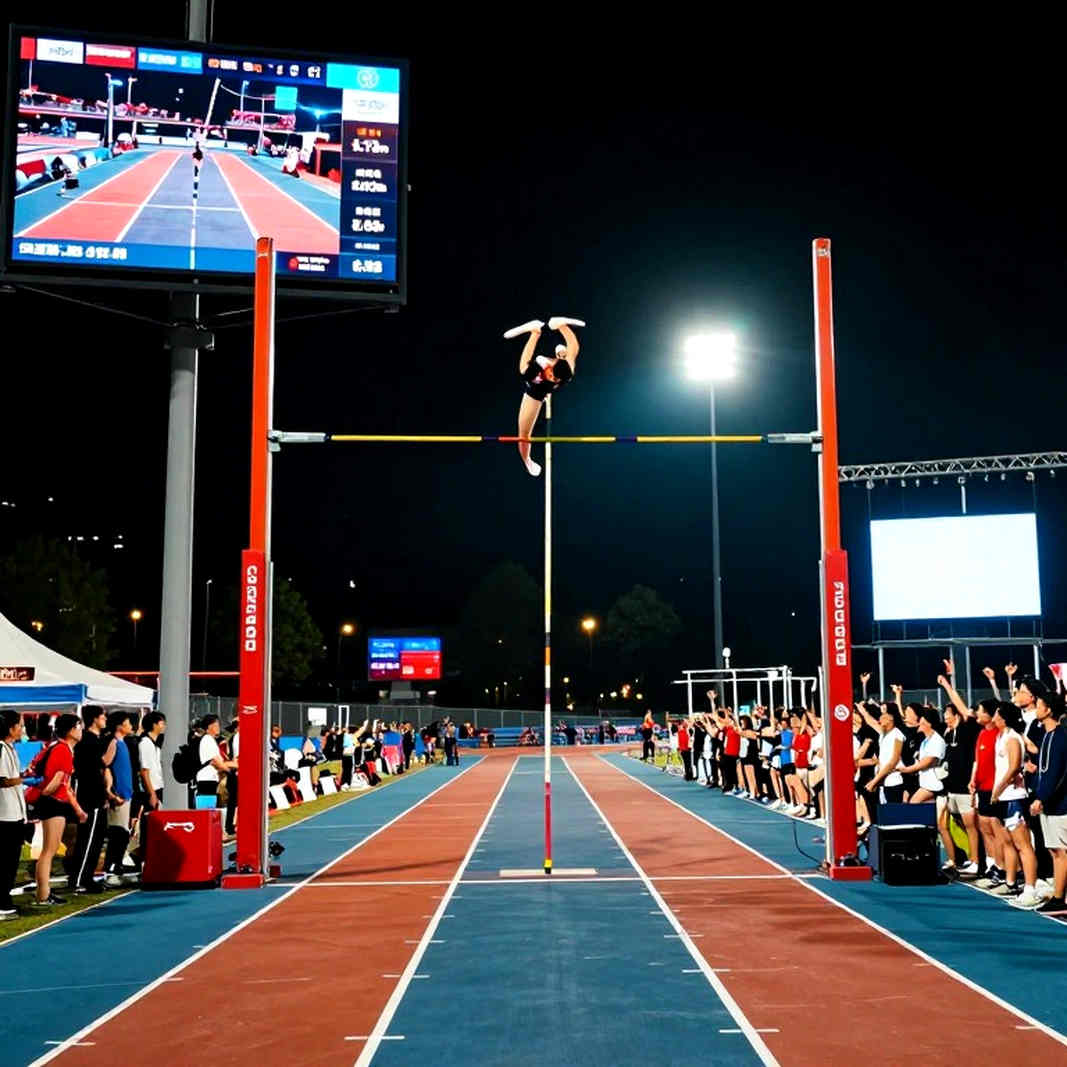
This is where my strongest objection lies. In the sprints, a tailwind of +2.1 m/s or more makes a mark ineligible for records, and a 9.90 run with +1.5 to +2.0 is not the same thing as a 9.90 run in still air — they are two different classes of performance. The analytical confidence of this entire athletics segment is capped by one missing datum: the wind gauge reading. Without it, the 9.90 can be estimated, not proven.
Other gaps exist. No reaction time, no 50m or 60m split, no year-by-year personal-best progression. A single 9.90 cannot tell you whether it is the natural peak of a steadily built Asian best, or an explosion born in one leap. In sprint accounting, that distinction matters most. Multi-sport Games finals also rarely carry the depth of a Diamond League 100m; a 9.90 winning time may partly reflect a soft field.
One technical detail also stands out. The mixed 4x100m relay is not a World Athletics sanctioned event — the sanctioned mixed relay is the 4x400m. Either this is an Asian-Games-specific format, or the results list contains an error. The weight of the silver in Boonson's bag remains unclear.
And the event's big number — 317 records. In a headline it sounds revolutionary. Broken down, only 53 are world records, 76 Asian records, 166 Games records, and 22 youth records. The headline historic Games is really a tier-mixed number — the majority are competition-level marks, not world-level performances.

A number is not a meaning. At these Games, South Korea won 39 golds, its worst showing since 2026. Vietnam and the Philippines also fell short. Is this a decline in Korean athletics? Or has funding shifted toward the Olympics and World Championships, leaving less attention for a regional meet? Correlation is not causation — not here either.
The pile of weightlifting records is this article's biggest watch item. The DPRK's Ri Song Gum set three world records alone, plus three more in the 85kg class. There is no specific allegation, and I make none. But weightlifting is historically a high-risk discipline, and the DPRK runs an isolated, hard-to-test programme. These records are a matter for observation, not celebration.
And the MVP? It is an honorific title decided by the OCA, not a verified performance index. The MVP weighs narrative, not just time. I trust the spreadsheet, but I still audit the story — because the story that crowns a 9.90 without a wind reading also hides the risk of a fall.
My own experience says how fast a single-athlete story breaks. In the Bangladeshi context I did exactly this: I stopped selling Imranur Rahman's 6.59 indoor gold or his 10.29 national record as a revival, and asked where the pipeline was. Tokyo's entry standard was 10.05, our national record stood at 10.29 — that 0.24-second gap is our real position. Boonson's 9.90 is the mirror image: it shows what one person can do, while the system behind him remains one-athlete deep, and that account is still unpaid.
So the one number to watch in the coming weeks is not 9.90 — it is the wind reading. If the gauge shows still air or a headwind, Thailand has truly given birth to a regional sprint power. If it reads near +2.0, the crown stays but the price drops.
The best models are janitors: they clean context before they predict. A sub-10 in neutral wind at Boonson's next Diamond League or Continental Tour stop would turn this story into proof. Until then we hold a bright number and an empty box. Who writes the next chapter of Asian sprinting will be decided by that empty box.