From 21-12 to 14-21: The Row That Refuses to Fit the Formula
**মূল উত্তর:** এশিয়ান Games ২০২৬ পুরুষ দ্বৈতের প্রথম রাউন্ডে ডিফেন্ডিং চ্যাম্পিয়ন সাতউইকসাইরাজ র্যাঙ্কিরেড্ডি ও চিরাগ শেট্টি থাইল্যান্ডের সুকফুন ও তীরাতসাকুলের কাছে ২১-১২, ১৯-২১, ১৪-২১-এ হেরেছেন। এশিয়ান Gamesে বিডব্লিউএফ র্যাঙ্কিং পয়েন্ট নেই, তাই এটি প্রতিপত্তির ধাক্কা, র্যাঙ্কিংয়ের ক্ষতি নয়। **মূল তথ্য:** - স্কোরের আকৃতি: প্রথম গেম ব্লোআউট, দ্বিতীয় গেম কাছাকাছি হার, তৃতীয় গেম ব্লোআউট — কাঠামোগত ভাঙনের সংকেত। - ভারতের বাকি দুই দ্বৈতের হার একপাক্ষিক: ২১-৯, ২১-৫ এবং ২১-১৪, ২১-১১ — গভীরতার ফাঁক স্পষ্ট। - উনতি হুদা ২১-৯, ২১-১০-এ জিতেছেন; ধ্রুব কাপিলা ও তানিশা ক্রাস্তো দুটো ম্যাচ জিতেছেন। - সিঙ্গল এলিমিনেশন Format ভুলের সহনশীলতা প্রায় শূন্য করে দেয়। - মাত্র এক ম্যাচের নমুনায় কোনো Form-ট্রেন্ড দাঁড় করানো যায় না। **সূত্র:** Khel Now-এর এশিয়ান Games ২০২৬ Badminton ব্যক্তিগত ইভেন্ট, ডে-১ রিক্যাপ। ভেন্যু, তারিখ ও প্রতিপক্ষের বিশ্ব র্যাঙ্কিং ৩৬ — সবই সূত্রের নিজস্ব দাবি, স্বাধীনভাবে যাচাই করা হয়নি। **সম্পর্কিত প্রশ্নোত্তর:** প্রশ্ন: এশিয়ান Gamesে হারলে বিশ্ব র্যাঙ্কিংয়ে ক্ষতি হয় কি? উত্তর: না, এশিয়ান Games বিডব্লিউএফ র্যাঙ্কিং পয়েন্ট দেয় না; ক্ষতি শুধু প্রতিপত্তি ও গতিমomentum-এর। প্রশ্ন: এই হারকে ভারতীয় দ্বৈতের পতন বলা যায় কি? উত্তর: না, এক ম্যাচের নমুনায় তা বলা যায় না; পরপর দুই-তিন ইভেন্টের ফল দরকার। প্রশ্ন: ভারতের আসল দুর্বলতা কোথায়? উত্তর: শীর্ষ জুটির ধারে-কাছে দ্বিতীয় ও তৃতীয় জুটির অনুপস্থিতিতে — এটি কাঠামোগত গভীরতার ঘাটতি।
I do not begin with the story. I begin with the row that refuses to fit the formula.
The row reads: 21-12, 19-21, 14-21. At the Asian Games 2026 men's doubles first round, defending champions Satwiksairaj Rankireddy and Chirag Shetty lost to Thailand's Peeratchai Sukphun and Pakkapon Teeratsakul. The reports call it a shock upset, a major setback. I do not go to the headline; I go to the tail. A pair that wins a game 21-12, then loses 19-21, then is torn apart 14-21 — there is no fortune in that. There is a leak, and it widened after the first game.
Location: Ichinomiya City Municipal Gymnasium, Japan — at least that is what the source report says. Let me file the correction first, because I publish my own errors before anyone else can. The venue, the date, and the opponent's reported World No. 36 ranking are the source's own claims and have not been independently verified. The Asian Games is a continental multi-sport event run by the Olympic Council of Asia; badminton is contested in both team and individual formats. The most important fact is this: there are no BWF world ranking points on offer. This is a ledger of prestige and medals, not a ledger of rankings.
And the format? Single elimination. One loss, done. Satwik-Chirag were the fourth seeds; Fajar Alfian and Muhammad Shohibul Fikri were second seeds; Feng Yan Zhe and Huang Dong Ping top the mixed doubles draw. Seeding exists, but in a knockout the tolerance for error sits close to zero. The format itself is the primary upset amplifier; the player's mistake only arrives afterwards.
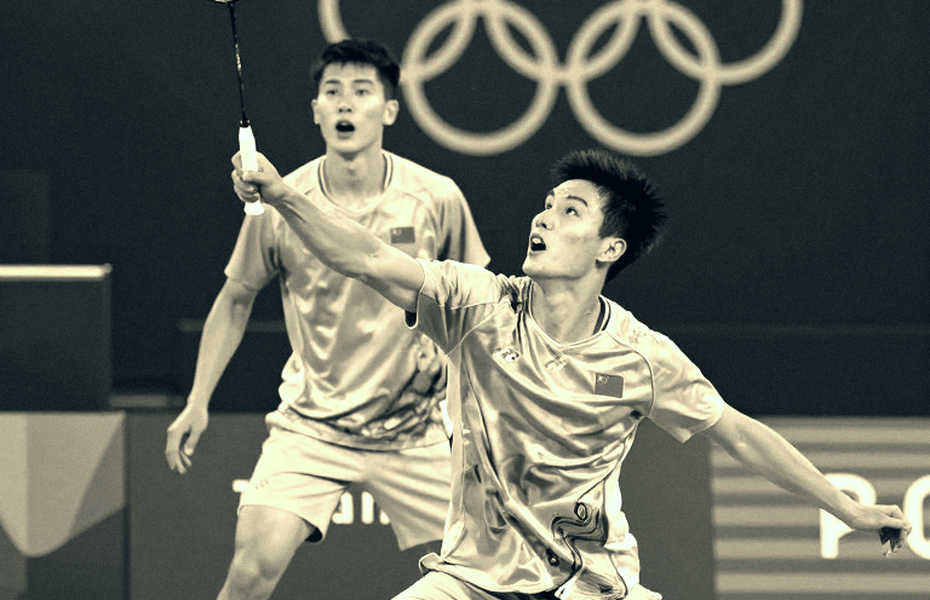
Now the actual accounting. Badminton has no halftime, but it has an interval — at 11 points. In football I learned to read time in windows, not match averages. The Croatia-England semifinal did not turn at halftime; it turned at minute 15. Here the window is 11 to 15 — the four or five rallies in the middle of a game where doubles control changes hands.
The first three shots of a doubles rally — serve, return, third shot — decide who gets to attack. India's win condition is simple: Rankireddy takes clean smashes from the back court, Shetty stands in front and intercepts at the net, a front-back attacking formation. For the Thai pair, the cheap way to break that condition is to slow the rally, trap the shuttle in the flat mid-court exchange, and deny the long swing its leverage. That the Thai adjustment after game one was deliberate is an inference — medium confidence, because the report contains no direct data on changed serve and receive placement.
The shape of the score is the strongest evidence available: a first-game blowout, a narrow second-game loss, a third-game blowout — that is not a coin toss, that is a structural collapse. Falling from 19-21 to 14-21 means either fitness or focus, at least one of them, gave way at the tail of the match. But caution: smash speed, rally length, error rate — none of these appear in the source report. Insufficient information, cannot assess. That is my rule: what cannot be counted cannot be claimed.
India's depth question sits on the same page. The two other doubles defeats were near-lopsided: 21-9, 21-5 and 21-14, 21-11. The gap between the elite pair and the second and third pairs is not a one-match accident; it is structure. And structure is not repaired in a day — it needs a pipeline measured in years.
The same ledger holds the opposite row. Unnati Hooda won 21-9, 21-10. Dhruv Kapila and Tanisha Crasto have won two matches, one of them 22-20, 24-22 against a Malaysian pair — holding a tight endgame, which is the biggest test for a young combination. Next up: top seeds Feng Yan Zhe and Huang Dong Ping. That is a signal of a new medal pathway for India, but a signal is not yet proof.
Now the option against my own model, because every audit is a small confession: the model was mine, and it was wrong. Where everyone wants to place the word decline, I ask two questions.
First, there are no ranking points here. The damage is not to ranking; the damage is to prestige and momentum. Second, a form trend cannot be built on a single match. A trend requires results across two or three consecutive events; otherwise it is not analysis, it is a translation of feeling. What can be said right now is more restrained: the risk in Indian men's doubles is not acute but structural — the heavier the reliance on one elite pair, the more expensive a single loss becomes. Single elimination doubles that price, because there is no second chance to correct.
One more honest note. The spreadsheet became a monastery, and I became its quiet, stubborn monk. Before I let the model speak Chinese, I hand-counted 6,100 shots. There are no 6,100 shots here — one match, three games, a handful of score lines. Filling what is missing with inference would end the reporting, and the courtesy with it.
What do I watch next? Three things. One, whether Satwik-Chirag suffer consecutive early exits across the next two or three events — consecutive exits would mean this is not a one-day accident. Two, whether established names are being re-paired on draw sheets; new combinations like Fajar-Fikri or Fukushima-Matsumoto signal a cycle turning over, and during a turnover even elite pairs wobble — that is the spoiler window. Three, how Dhruv and Tanisha perform against the top seeds; a competitive score line would become the first signature of a new Indian medal pathway.

My entry for today reads: the model fell silent, because the data was thin. When the next two events land, I will write again — and if I am proven wrong, I will publish the erratum first, not last.