
The 10,000 Test-Run Club: Who Got There First, and Why 'Fastest' Is the Wrong Word
**মূল উত্তর:** ১০,০০০ টেস্ট রানের ক্লাবে এখন পর্যন্ত ১৫ জন ব্যাটার আছেন; 'দ্রুততম' মাপা হয় খেলা Inningsের সংখ্যা দিয়ে, ম্যাচ বা বলের সংখ্যা দিয়ে নয়। **মূল তথ্য:** - প্রথম স্বীকৃত টেস্ট ম্যাচ মার্চ ১৮৭৭ সালে মেলবোর্নে অনুষ্ঠিত হয়; ১৪৯ বছরের হিসাব তাই সঠিক। - Innings-ভিত্তিক হিসাবে কেউ বাস্তবিকভাবে ১৮৫ Inningsের অনেক কমে ১০,০০০ টেস্ট রানে পৌঁছাতে পারেন না। - ১৯৭০-৮০-এর দশকে টেস্ট রান-রেট ছিল প্রায় ২.৫–২.৮ প্রতি ওভার; ২০১০-২০-এর দশকে তা প্রায় ৩.২–৩.৪। - একদিনের ক্রিকেটে ১০,০০০ রান অনেক সহজ ক্লাব; টি-টোয়েন্টি Internationalে কেউ এখনো পৌঁছাননি। **উৎস:** উইজডেন ক্রিকেট কুইজ পেজ, ১৭ অক্টোবর ২০২৬ তারিখের দাবি **সম্পর্কিত প্রশ্নোত্তর:** - প্রশ্ন: ১০,০০০ টেস্ট রানের ক্লাবে কতজন ব্যাটার আছেন? উত্তর: উইজডেনের কুইজ পেজ অনুযায়ী ১৫ জন। - প্রশ্ন: 'দ্রুততম' কীভাবে মাপা হচ্ছে? উত্তর: খেলা Inningsের সংখ্যা দিয়ে, যা যুগ-নির্ভর পক্ষপাত তৈরি করে। - প্রশ্ন: ১০,০০০ রান কি সব Formatে একই অর্জন? উত্তর: না, তিন Formatে এর অর্থ ও কঠিনতা সম্পূর্ণ ভিন্ন।
Hook
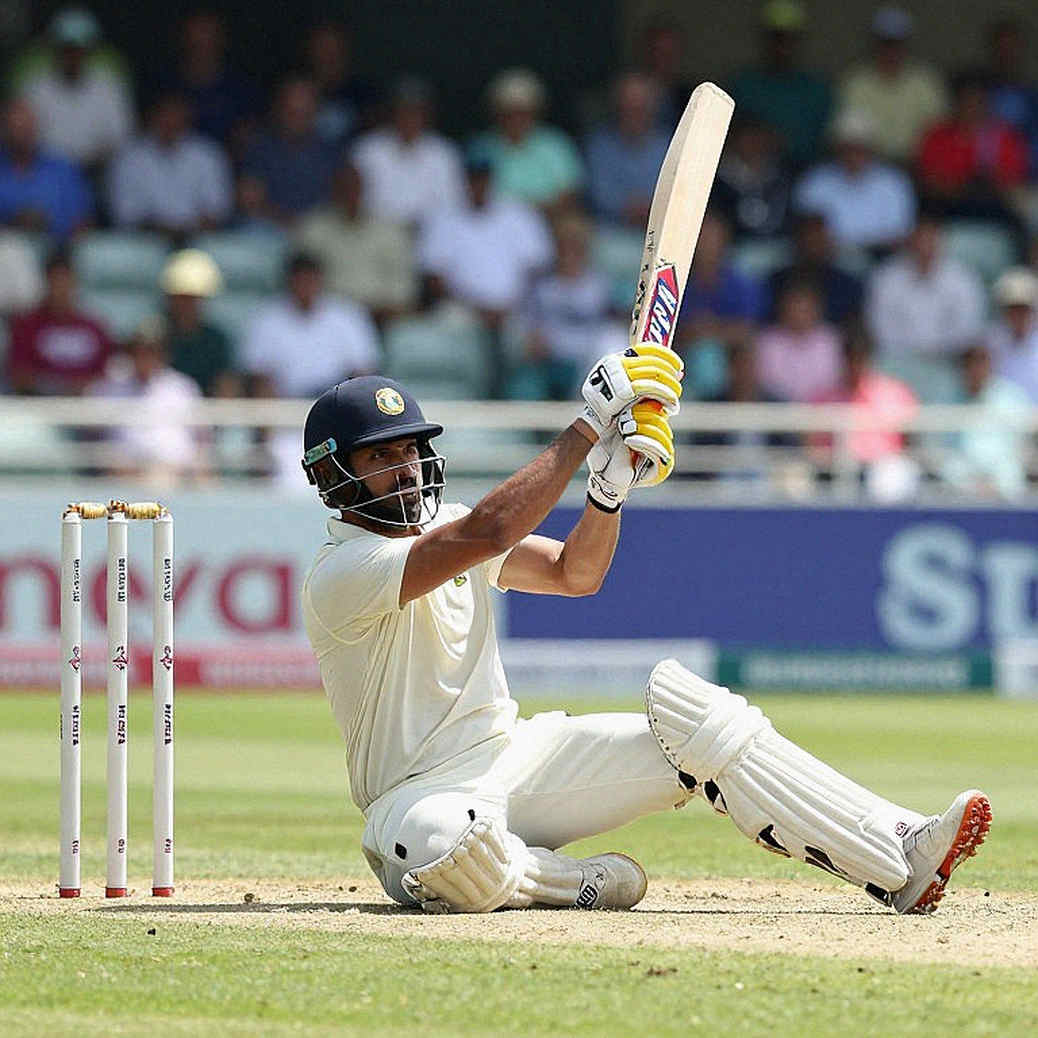
October 17, 2026. A Wisden quiz page states that in the 149-year history of Test cricket, only 15 batters have crossed the 10,000-run border. The question seems simple: who got there fastest? But when I read the internal hints of the quiz — 'number of innings', 'date of Test debut', 'details of the match in which the 10,000th run was scored' — I realised the story not being told mattered more. Because the number is not the game; the number is a calculation of time. And a calculation of time is never neutral.
Context
The first recognised Test match began in Melbourne in March 1877. By that arithmetic, 2026 means 149 years — the quiz claim is internally correct. But across those 149 years, the character of Test cricket changed, and with it the meaning of 10,000 runs.
In the 1970s and 80s, Test scoring ran at roughly two and a half to two-point-eight runs per over. In the 2010s and 2020s it sits around 3.2 to 3.4. The same number of innings today yields more runs than it did for the previous generation. So the metric 'fewest innings to 10,000' carries a construction inside itself: it rewards batters who played in high-scoring eras, who batted at number three in deep lineups, and who reliably got two innings per Test before their captain declared.
There is another point. The milestone is format-exclusive. In ODI cricket, 10,000 runs is a far larger and far easier club — Sachin Tendulkar 18,426, Virat Kohli beyond 14,000, Kumar Sangakkara 14,234. In T20 internationals, nobody has ever reached 10,000. Treating 10,000 runs across three formats as one achievement is treating three different sports as one.
Core Analysis
Now let us do the arithmetic. 10,000 divided by innings = runs required per innings. Among members of the 10,000 club, the best career runs-per-innings figures sit at roughly 50 to 53 — the Brian Lara, Kumar Sangakkara, Steve Smith band. That division produces a hard boundary: nobody can realistically reach 10,000 Test runs in materially fewer than 185 innings. The fastest cluster should therefore sit between 185 and 200 innings. If any page or publication offers a figure far below 180, it is either an error or a different milestone in a different format.
This arithmetic is familiar to me. In 2026, when COVID emptied stadiums and closed the Mymensingh Football Academy, I ran remote fitness and mental-health check-ins for 23 under-16 players. When the head coach fell ill, I quietly took over scheduling and family communication. No player dropped out that year. But I also learned something: consistency can never be measured by numbers alone — behind whoever endures there is invisible labour and circumstance.
The same applies to 10,000 Test runs. Measuring 'speed' by innings means collapsing a batter's endurance, selection security and physical durability into a single number. Measure by balls faced, or by time at the crease, and the ordering changes. Separate venue and opposition quality and it changes again. The Wisden page offers no such split — no era adjustment, no home-away breakdown. This is not analysis. This is engagement content.
Note one detail. The quiz hint gives 'number of innings' alongside 'debut date' and 'match details of the 10,000th run'. That is the real leak. Because the instant a player's name is known, his position is already determined by the hint itself. The 'arrange them in order' challenge is therefore largely cosmetic.
The second problem: the date of October 17, 2026 makes the claim testable. Batters sitting in the 9,000 to 9,500 Test-run band in the mid-2020s, had they continued at normal appearance rates, could plausibly have crossed 10,000 by that date. The figure of 15 is asserted without a source and without any verification cutoff.
Contrarian Angle
Here a comfortable assumption breaks. We usually take 'fastest to 10,000' to mean 'best batter'. But this is not a list of best batters. It is a list of batters who survived longest in a national side. A Matthew Hayden or a Viv Richards, batting aggressively in a shorter career and never reaching 10,000, is absent — not because he was weaker, but because his career was shorter. An innings-based metric equates endurance with skill.
And one more: placing the Test 10,000 club beside the ODI 10,000 club invites the reader to believe both are achievements of the same scale. They are not.
Takeaway
So what is the real question? The question is: by which clock do we measure a batter's legacy — the innings clock, the ball clock, or the calendar clock? Each clock names a different person at the top. After 2026 the Test calendar grows denser, and franchise leagues take time from Test players' bodies. If someone next reaches 10,000 in under 185 innings, will that prove his talent — or prove that Test batters now play in a more favourable environment? The answer is not in the list. The list only gives names. The question we must ask ourselves.