
The 41-Run Equation: Bangladesh's Route to the Final Is Accounting, Not Cricket
**মূল উত্তর:** বাংলাদেশ ত্রিদেশীয় সিরিজের ফাইনালে উঠবে যদি আফগানিস্তানকে হারিয়ে জিম্বাবুয়েকে নেট রান রেটে ছাড়িয়ে যায়। আগে ব্যাট করলে ন্যূনতম ৪১ রানের জয়ে হবে; পরে ব্যাট করলে নির্দিষ্ট ওভারের মধ্যে লক্ষ্য ছুঁতে হবে। **মূল তথ্য:** - আফগানিস্তান জিম্বাবুয়েকে ১৫৮ রানে হারায়; শীর্ষে থাকা আফগানিস্তানের রান রেট ৩.১৬০। - জিম্বাবুয়ের রান রেট মাইনাস ০.৫৯০; বাংলাদেশের রান রেট মাইনাস ১.৯৮০ (এক ম্যাচে এক হার)। - আগে ব্যাট করে ন্যূনতম ৪১ রানের ব্যবধানে জিতলে বাংলাদেশ ফাইনালে উঠবে। - ৩০১ রানের লক্ষ্য এলে ৪২.২ ওভারে, ২৫১ হলে ৪১.৩ ওভারে, ১০১ হলে ৩৭.২ ওভারে জিততে হবে। - আফগানিস্তান বাংলাদেশের কাছে হারলেও শক্তিশালী রান রেটের কারণে ফাইনালে ওঠার সুযোগ রাখে। **সূত্র:** আবুধাবি ত্রিদেশীয় সিরিজ পয়েন্ট তালিকা ও ম্যাচ-পূর্ব রান-রেট হিসাব | Cross-checked: cricsultan.com **সম্পর্কিত প্রশ্নোত্তর:** প্রশ্ন: বাংলাদেশ কীভাবে ফাইনালে উঠতে পারে? উত্তর: আফগানিস্তানকে হারিয়ে এবং রান রেটে জিম্বাবুয়েকে পেছনে ফেলে বাংলাদেশ ফাইনালে উঠবে, যেখানে বাংলাদেশের বর্তমান রান রেট মাইনাস ১.৯৮০। প্রশ্ন: আগে ব্যাট করলে বাংলাদেশের লক্ষ্য কী? উত্তর: আগে ব্যাট করে ন্যূনতম ৪১ রানের ব্যবধ
Under the floodlights in Abu Dhabi yesterday, the number that shouted loudest was 158. Afghanistan blew Zimbabwe away by 158 runs. But the number that kept Bangladesh's dressing room awake was 41. To reach the tri-series final, Bangladesh cannot simply beat Afghanistan; batting first, they must win by at least 41 runs. Bat second and the maths shifts — if Afghanistan post 301, Bangladesh must get there inside 42.2 overs; 251 means 41.3 overs; 101 means 37.2 overs.
Anyone reading that list will say, "play well and it is done." I say the opposite. In a match where the condition for winning is written in overs and run rates, teams usually forget how to play their own game. The match Bangladesh play in Abu Dhabi is a cricket match, but the winning condition is an accounting problem — and in solving accounting problems, teams tend to lose the natural rhythm of the game.
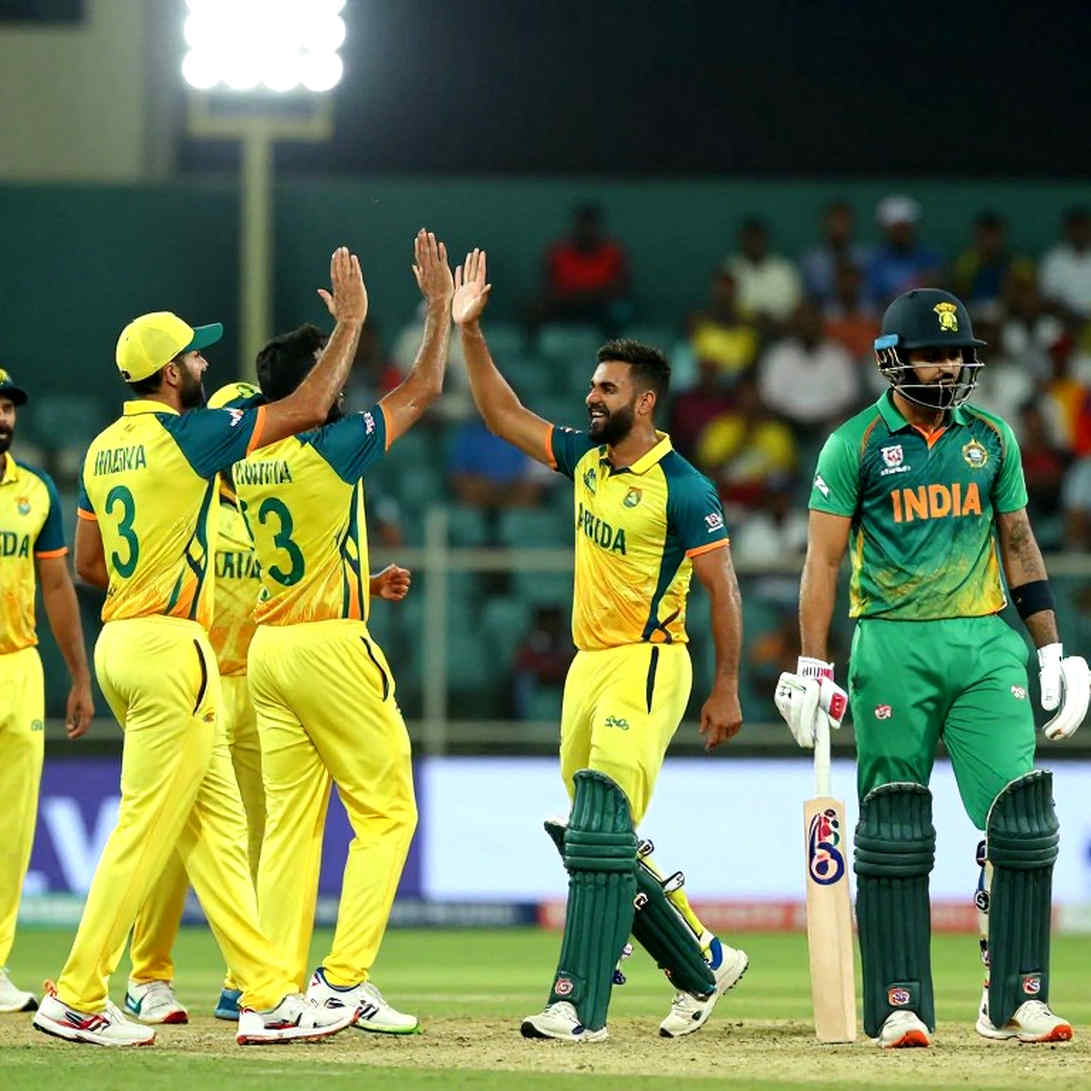
Look at the table. Afghanistan top it with one win and a net run rate of 3.160. Zimbabwe sit second with one win and one loss from two games, net run rate minus 0.590. Bangladesh are third after one game and one defeat, minus 1.980.
What yesterday's match could have done for Bangladesh is worth spelling out. Had Zimbabwe beaten Afghanistan, Bangladesh's task would have been simple — win the last game against Afghanistan and the final was theirs. A narrow Zimbabwe defeat would have dropped Bangladesh into a brutal equation. Sikandar Raza's side lost by a wide margin, so the path has become slightly easier. Slightly, not simply.
How net run rate works deserves a reminder, because that is where the real game sits. NRR is total runs scored divided by total overs faced, minus total runs conceded divided by total overs bowled. The fewer overs you take to score, the bigger the gain. Winning is not enough; the size of the win and the speed of the win both enter the ledger.
The shape of the tournament matters here too. I went looking for a tournament and found a staged product — three boards' broadcast interests, a neutral venue, and a fixed inventory of matches feeding a final. The audience gets back-to-back cricket, the boards get revenue, and the teams get a trap: in a three-team round robin, one bad evening can end the whole campaign. Bangladesh's minus 1.980 is the price of that trap.
Afghanistan are sitting in the most comfortable seat. Even a defeat to Bangladesh leaves them with a route to the final thanks to their strong run rate; only a heavy loss changes the arithmetic. Which means they will play fearless cricket. Fearless teams are dangerous, because they carry no calculation — only the freedom to swing.
Now the real point. Batting first, Bangladesh need a 41-run margin — a fixed number. Batting second, they need a specific number of runs inside a specific number of overs — a moving number that Bangladesh does not control; Afghanistan's batting controls it. The advantage of a fixed number is that the captain can plan around it from ball one. The disadvantage of a moving number is that around the 25th over you suddenly discover the plan no longer fits.
Here is where most people misread the task. Winning by 41 runs does not mean the batters must score 41 extra. The 41-run margin is delivered by the bowling innings — you cannot win by 41 runs unless you bowl the opposition out or cut their innings short by four or five overs. Bangladesh's real examination is not their batting. It is their bowling.
A counter-logic applies here, and it runs against standard one-day wisdom. In the middle overs, bowlers are normally asked for economy, not wickets. In this match, it is the reverse. A bowler who takes three wickets for 60 in ten overs is worth far more than one who takes none for 35 — because wickets create the margin, not economy. On Abu Dhabi's dry surface the ball grips, and slow bowling forces mistakes. Bangladesh have that in the squad. The question is whether they use it or fall back on holding the line.
Abu Dhabi's pitch deserves a line of its own. The ball generally comes on slowly, there is grip for spin, and it slows further in the second innings. Chasing 300 on a surface where 300 was made is harder, because slow bowling demands more power for the big shot. That physical reality tells you batting first is a venue advantage as much as an arithmetic one.
One piece of context is essential. Afghanistan do not treat Bangladesh as an easy opponent — in recent years they have beaten Bangladesh in major tournaments, and their spin attack probes exactly the weakness Bangladesh's batting is known for. So this is not only a match of arithmetic; it is a match of an old wound.
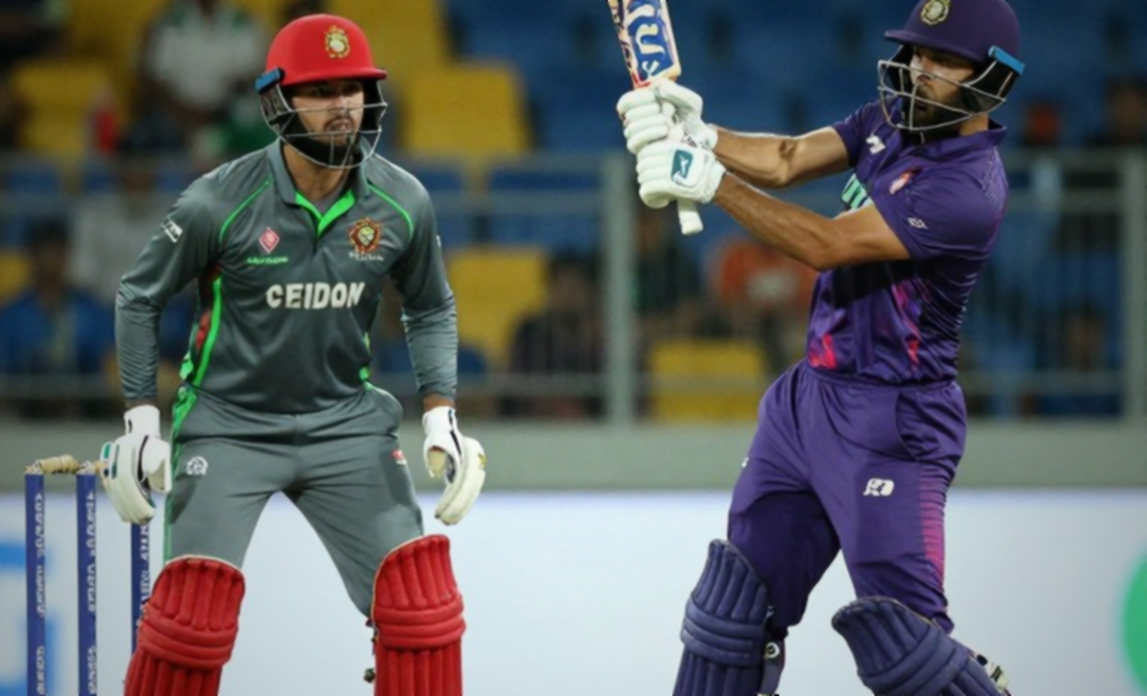
And if Bangladesh bat second? The maths changes character. Chasing 301 in 42.2 overs means roughly seven an over. Seven an over is not an impossible number in modern one-day cricket; Bangladesh's middle order has that capacity. But seven an over stays easy only while wickets are standing. Two wickets down and the required rate jumps to nine or ten, and the batter is forced into shots that are not his game. That is Bangladesh's biggest risk — not the equation, but the decisions the equation forces.
My notebook has plenty of matches where a team got the maths right and lost the game. A batter reaches 40 and starts thinking, "four more overs like this and it is done" — and the next ball he is gone. When the arithmetic gets into a batter's head, he stops watching the ball and starts watching the overs. That is a large trap waiting for Bangladesh.
Notice one more thing. Bangladesh have played a single match and already sit at minus 1.980. That number carries a message: the margin of defeat was not small. Modern one-day sides win by 100 because they have both the batting to post 350 and the bowling to bowl sides out. Bangladesh win by 20 or 30. Today they need 41 — which means breaking their own winning template. That is not a small ask.
The interesting part is that the two scenarios demand two completely different plans. Batting first needs patience with the bat and aggression with the ball. Batting second needs aggression with the bat and patience with the ball. Bangladesh must build both plans before the toss — one for a 41-run match, one for a seven-an-over match. Walk in with a single plan and the game will leave you planless halfway through.
One more thing, because it usually drops out of cricket discussion. When a side is tied to a run-rate calculation, the dressing room atmosphere shifts. Talk turns to who got out for how many. Bowlers think, "I gave away nothing." Batters think, "I scored." The gap between personal numbers and team need widens widest in run-rate matches. That is a management problem, not a tactics problem.
Zimbabwe cannot be forgotten either. Sikandar Raza's side lost yesterday but are not eliminated. Their interest is that Bangladesh do not win big. Three teams, three separate ledgers — nobody is anybody's travelling companion.
Think about the leverage. Afghanistan hold two advantages: a strong run rate and survival even in defeat. Bangladesh hold one: the ability to settle every account themselves by winning. But the advantage is conditional — the win must come by exactly the margin or in exactly the overs that somebody else is deciding.
Let me write the strongest argument against myself. Suppose chasing is better for Bangladesh. Chasing is often easier in modern one-day cricket: the target is clear, the batter knows what is required, and seven an over across 50 overs is ordinary now. Accept that, and my claim that batting first equals control is romantic instinct, not arithmetic.
There is a bigger problem I cannot dodge. Winning by 41 runs batting first requires ten wickets. Taking ten wickets is the hardest job in cricket, especially against a side playing without consequence. And what if Bangladesh lose the toss? Then the choice is not theirs. If Afghanistan bat first, Bangladesh are pushed into the chasing equation. Which means my entire fixed-number-versus-moving-number theory rests on a coin toss I cannot control.
Third, over-thinking the arithmetic is itself dangerous. If a player loses his own game while trying to balance the ledger, he loses the match before the final is even reached. In my experience the worst team in a run-rate match is the one that understands the calculation best.
One more thing has to be admitted. Cricket carries luck — catches go down, edges fly, umpires err. However precise the 41-run calculation is, a dropped catch and a no-ball can break it.
So what do I want to see? If Bangladesh win the toss, I want them batting first, posting 280 to 300, then taking three middle-overs wickets and squeezing Afghanistan's tempo. If they lose the toss, I want a foundation without wicket loss in the first 15 overs, and acceleration in the last 15.
My prediction: the match will not be decided in the last ten overs. It will be decided between overs 15 and 35 — where either Afghanistan's middle order cracks or Bangladesh's does.
And one question to leave behind. If Bangladesh reach the final, who remembers the 41-run equation? Nobody. If they do not, that number 41 will come back every year. I have watched this game for decades: the scoreboard never records how you won. It only remembers who did. That is the part that lasts.