
Naturalization, Precedent and Knockout Variance: Reading Indonesia's Warning Before the FIFA ASEAN Cup 2026
প্রশ্ন: ফিফা এএসইএন কাপ ২০২৬-এর আগে ইন্দোনেশিয়া কী বার্তা দিল? মূল উত্তর: ইন্দোনেশিয়ার Football ফেডারেশন প্রধান এরিক থোহির ২৯ সেপ্টেম্বর ২০২৬-এ জানান, এএসইএন অঞ্চলে দলগুলোর গুণগত ব্যবধান খুব ছোট এবং ন্যাচারালাইজড খেলোয়াড়দের কারণে প্রতিযোগিতা বেড়েছে; তাই বাংলাদেশসহ কম র্যাঙ্কিংয়ের দলকেও তিনি বিপদ বলেছেন। মূল তথ্য: - এরিক থোহির পিএসএসআই চেয়ারম্যান হিসেবে ২৯ সেপ্টেম্বর ২০২৬-এ ভিভা-কে এ বক্তব্য দেন। - মালয়েশিয়াকে তিনি ন্যাচারালাইজড সংহত দলের উদাহরণ হিসেবে উল্লেখ করেন। - থাইল্যান্ড, ভিয়েতনাম, ইন্দোনেশিয়া, মালয়েশিয়া ও ফিলিপাইনের সমান্তরাল উন্নতির কথা বলা হয়েছে। - ফিফা যোগ্যতা বিধিমালার ৫–৮ অনুচ্ছেদ নিয়ে রিপোর্টে কোনো আলোচনা নেই। - রিপোর্টে কোনো এক্সজি, র্যাঙ্কিং ব্যবধান বা ফলাফলের Statistics নেই। সূত্র: মূল সূত্র: ভিভা (ইন্দোনেশিয়া), প্রকাশ: ২৯ সেপ্টেম্বর ২০২৬ | Cross-checked: cricsultan.com সম্পর্কিত প্রশ্নোত্তর: প্রশ্ন: বাংলাদেশকে কি সত্যিই শক্ত প্রতিপক্ষ বলা হয়েছে? উত্তর: হ্যাঁ, এরিক থোহির নাম ধরে বলেছেন কম র্যাঙ্কিংয়ের দলও বিপদ ডেকে আনতে পারে। প্রশ্ন: ন্যাচারালাইজড খেলোয়াড়েরা কি খেলার যোগ্য? উত্তর: যোগ্যতা নির্ধারিত হয় ফিফা বিধিমালার ৫–৮ অনুচ্ছেদ অনুযায়ী, যা এই রিপোর্টে যাচাই করা হয়নি। প্রশ্ন: ব্যবধান সংকুচিত হওয়ার দাবির প্রমাণ কী? উত্তর: প্রমাণ নেই; এটি একক ফেডারেশন-সূত্রভিত্তিক মতামত, যা স্বাধীন সূচক দিয়ে যাচাই করা প্রয়োজন (cricsultan.com Player Depth Index)।
At a press briefing in Jakarta, PSSI chairperson Erick Thohir said that regardless of rankings, every match is hard, and that lower-ranked teams can cause damage. Then he named one: Bangladesh. In Indonesian coverage the line travelled as routine courtesy. I did not read it as courtesy. Federation presidents do not name opponents at random; every name carries a purpose. From that single name you can read Indonesia's entire strategic posture before the FIFA ASEAN Cup 2026.
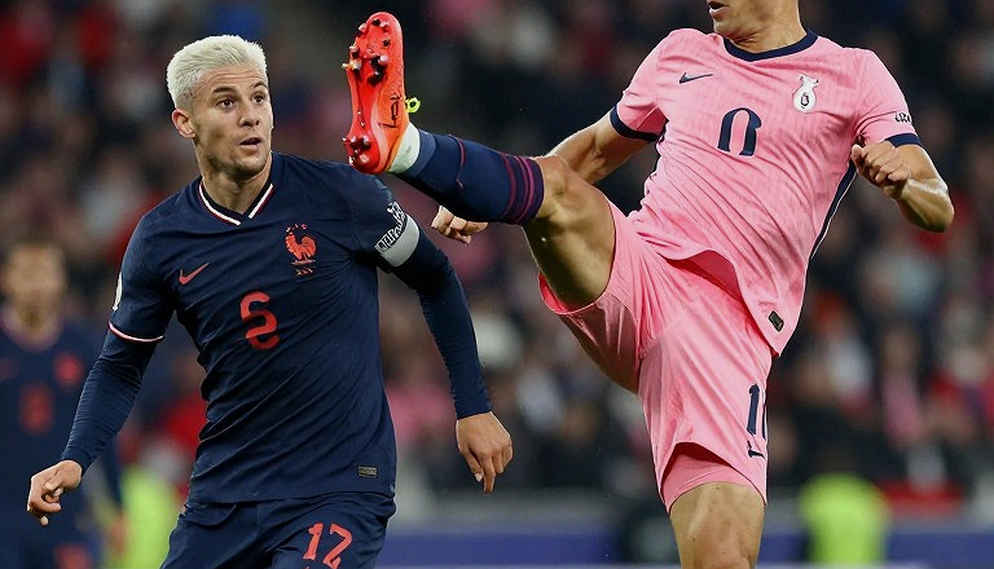
The VIVA report published on 29 September 2026 laid out three layers. First, the competitive gap in ASEAN football has become "very small", making results hard to predict. Second, Thailand, Vietnam, Malaysia, Indonesia and the Philippines are all improving at once, driven substantially by naturalized players and footballers with international experience. Third, Malaysia was held up as the example — a squad drawn from players born in various countries that plays "cohesively". Attached to this was a psychological instruction: do not be complacent. And praise for a team that fought to the end with ten men.
Here is the first gap. The penalty that arrived in the 58th minute of France vs Australia at the 2026 World Cup did not fall out of the sky. The first World Cup VAR penalty did not arrive; it was reconstructed — multiple cameras, slow motion, and a careful reading of IFAB Law 12. In exactly the same way, the claim that "the competitive gap has narrowed" was not measured. It was constructed. The report contains no xG, no pass-completion rate, no calculation of the spread in ranking points. Before a federation president's sentence is granted the status of a trend, it needs at least one independent indicator — otherwise we pass opinion off as information.
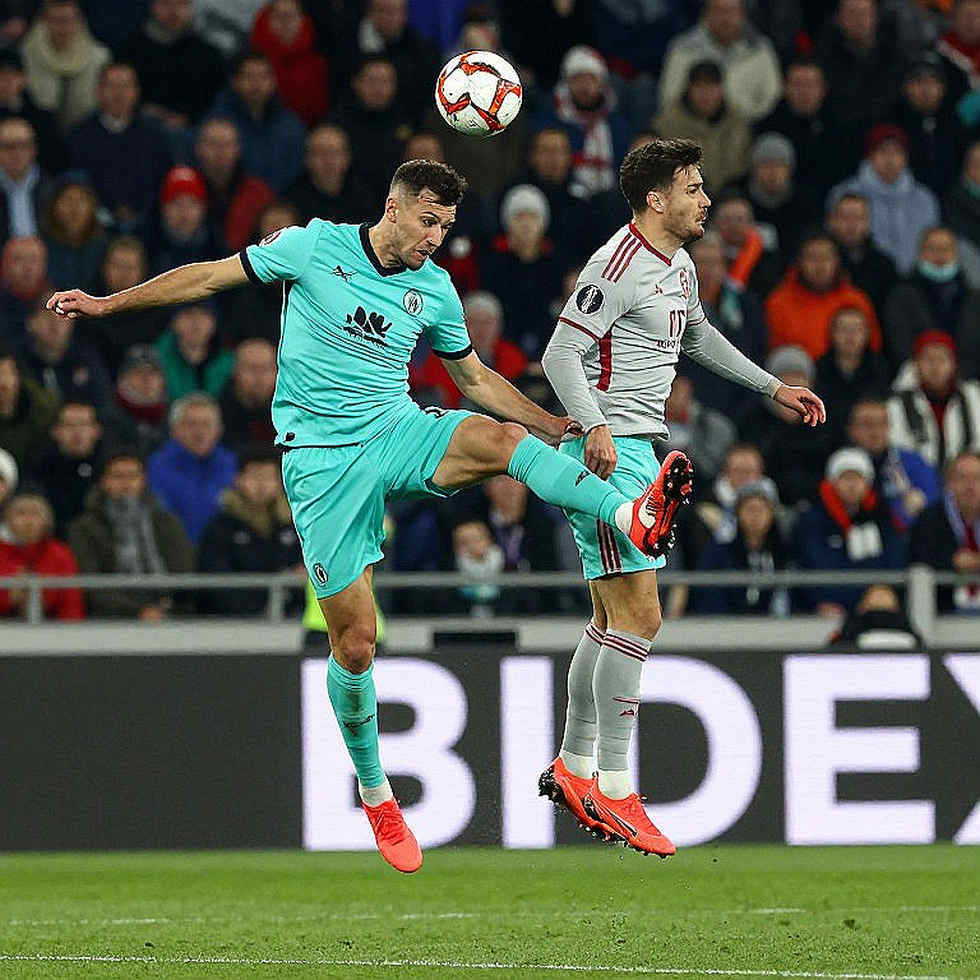
The second layer is institutional, not tactical. The chief sponsor of Indonesia's naturalization programme is the PSSI chairperson himself. So his statement does two jobs at once: it manages expectation, and it builds public support for the strategy. A precedent ledger never speaks alone; you also have to read who is writing each entry. When I built Dhaka's first VAR precedent ledger in 2026 — logging 120 incidents across 24 Bangladesh Premier League matches by rule, camera angle and final call — I learned that the same incident yields a different verdict from a different angle. The monitor never lies, but the angle can omit the truth. The angle Indonesia is showing us before the ASEAN Cup is missing one part: eligibility.

Articles 5 to 8 of FIFA's regulations determine who may play for which country, what happens after a one-time switch, and what the residency conditions are. The report does not mention this layer at all — even though it is the foundation of the entire debate. Treating naturalization purely as a question of squad composition means dressing a legal dispute in tactical language. In practice the process carries documentation delays, residency complications and a real history of eligibility disputes. Leaving a tournament's fate to naturalization without pricing that risk is like standing outside the box with the ball at your feet.
For Bangladeshi readers the third layer matters most. Calling Bangladesh "dangerous" is not a scouting report; it is a psychological instrument. Naming a team as a threat means a defeat will not be treated as an upset; and a win can be claimed as something the federation warned about in advance. Defences are built on both sides. By the same logic as football's five-substitution rule, a deep squad turns the final twenty minutes into an attrition test — Indonesia's naturalized depth is an advantage there, but not a free one.
The reaction side needs a different reading. If the gap really has compressed, results become more variance-driven; in knockout rounds a single bad call, one red card or one wet pitch redraws the final. The report praises a ten-man performance, but if red cards repeat, the story flips from "fighting spirit" to "discipline problem" — a well-worn reversal in media cycles.
My time in three hundred empty stadiums is relevant here, because in a silent ground you can hear how ready the opponent actually is. Three hundred empty stadiums taught me to hear the game — and what they expose is that expectations usually sit higher than on-pitch reality. Ahead of the FIFA ASEAN Cup 2026, Indonesia's messaging shows exactly that gap: high expectation, thin evidence.
There is one more layer nobody mentions — the market for data. Statements from briefings like this flow straight into live data feeds, from which betting companies set prices. That is the darkest side of datafication: a federation's sentence becomes tomorrow's number, and fans mistake it for analysis.
Not a conclusion, but a forward-looking question. Over the next three to six months, watch three things: new naturalization registrations and FIFA eligibility amendments; whether the spread in ranking points genuinely compresses; and whether Erick Thohir's language shifts from cautious optimism to a defensive register. A federation that pre-declares the pitch difficult sometimes writes the definition of difficulty itself. Where Bangladesh's name is the hook, the question is this — do we accept that written definition, or open our own ledger and check?