
From 3-0 to 3-3, Then Penalties: T1’s FC Pro Champions Cup 2026 Title and NK FC Online’s Unfinished Confession
**মূল উত্তর:** টি১ এফসি প্রো চ্যাম্পিয়ন্স কাপ ২০২৬-এর ফাইনালে এনকে এফসি অনলাইনকে পেনাল্টি শুটআউটে হারিয়েছে; এনকে ০-৩ থেকে ৩-৩-এ ফিরেছিল, কিন্তু শেষ গেমের পেনাল্টিতে হেরে ৫৫,০০০ মার্কিন ডলারের রানার-আপ প্রাইজ পায়। **মূল তথ্য:** - টি১ ফাইনালে ৩-০ লিড নেয়; এনকে এফসি অনলাইন ৩-৩-এ ফেরে। - সাত নম্বর গেম পেনাল্টি শুটআউটে নিষ্পত্তি হয়; এলএইচএটি একটি পেনাল্টি সেভ করেন। - এনকে-র চার খেলোয়াড়: এলএইচএটি, থান মান, এন্ডি, নাম থি। - রানার-আপ প্রাইজ ৫৫,০০০ মার্কিন ডলার; সমান ভাগে কর ও অর্গ কাটের আগে প্রতি খেলোয়াড় প্রায় ১৩,৭৫০ ডলার। - টি১-কে এফসি প্রো মাস্টার্স চ্যাম্পিয়ন হিসেবে বর্ণনা করা হয়েছে। **সূত্র:** প্রদত্ত Stage-2 Deep Professional Analysis, FC Pro Champions Cup 2026 Final — NK FC Online vs T1; প্রকাশের তারিখ উল্লেখ নেই। **সম্পর্কিত প্রশ্নোত্তর:** প্রশ্ন: এনকে কেন হেরেছে? উত্তর: শেষ গেমের পেনাল্টিতে decisive shots ব্যর্থ হয়েছে; এটি high-variance execution failure, কাঠামোগত নিম্নমানের প্রমাণ নয়। প্রশ্ন: এই ফল ভিয়েতনামের উত্থান প্রমাণ করে? উত্তর: একটি রানার-আপ ফিনিশ প্রতিযোগিতা প্রমাণ করে, ধারাবাহিকতা নয়; আঞ্চলিক উত্থান ঘোষণার জন্য More টুর্নামেন্ট নমুনা দরকার। প্রশ্ন: টি১-এর প্রধান সুবিধা কী? উত্তর: এফসি প্রো মাস্টার্স অভিজ্ঞতা ও প্রতিষ্ঠানিক প্রস্তুতি; এনকে-র প্রধান সম্পদ খেলোয়াড়-স্তরের resilience।
On the scoreboard it read 3-0. In the FC Pro Champions Cup 2026 final, T1 had taken the first three games against NK FC Online. In a football-simulation event, that score is more than a three-game lead; it is a collapse of a four-player team’s preparation, match order and draft plan at the same time. I watched from Seoul with a blank sheet in front of me, logging tempo game by game. After the fourth game, a new line appeared on that sheet: NK was beginning to read T1’s first-three-game plan. The series reached 3-3. Game seven went to a penalty shootout, T1 lifted the trophy, and NK left with a USD 55,000 runner-up cheque. The final’s real story sits outside the scoreline: a format manufactured drama while leaving the two teams’ true strength gap almost unresolved.
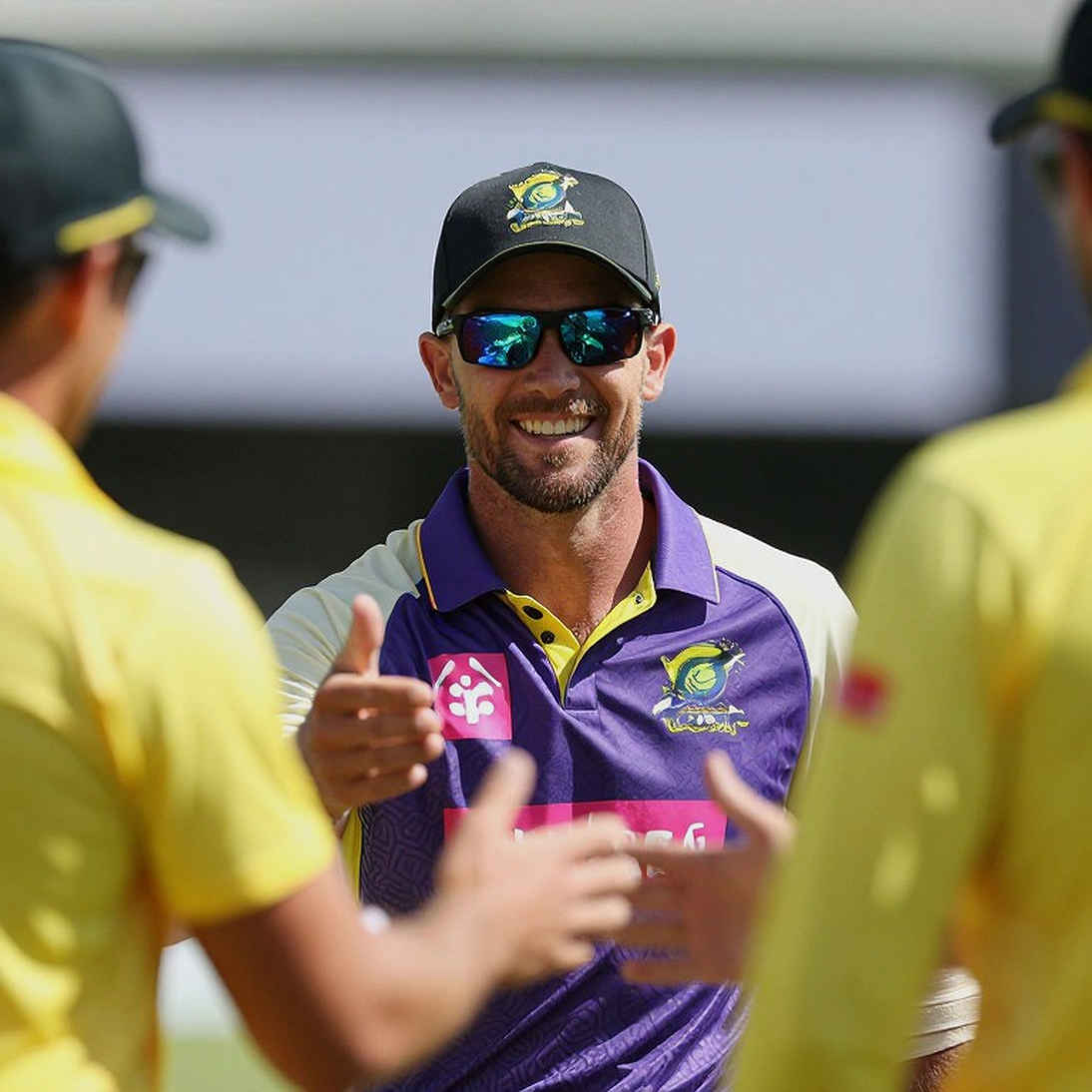
This is not a MOBA or an FPS title. It is EA Sports FC Online, the Asian-market football simulation formerly branded FIFA Online 4. Football-sim competition runs on a different logic. An annual title reset arrives each September; the card and squad economy becomes the real meta; the publisher’s licensed data layer determines which player-card versions are strong. Prize pools sit one or two orders of magnitude below tier-one MOBA and FPS events. Patch analysis therefore has little purchase here. No patch, version or squad-update information exists in the available record. What exists is a team-format final, a four-player roster, and a series that reached the last possible game.
One number frames the stakes: the runner-up prize was USD 55,000. Split equally across four players, before tax and any organisational cut, that is roughly USD 13,750 per player. It cannot fund a professional season. The final’s value is therefore commercial and narrative rather than prize-based. NK’s real gain was not cash; it was the proof that it could hold the reigning FC Pro Masters champion to a deciding game.
The first three games suggested T1 had a prepared game plan that NK had not scouted. That is my reading, not a comms transcript. From game four, NK’s four players — LHAT, Thành Man, Endyy and Nam Thi — began playing at different tempos. In a four-player team, that adjustment is not simple. Each player carries a formation profile, card preference and match-order role. When they correct a losing pattern together, it is a coaching-process signal. The 0-3 to 3-3 recovery is evidence of mid-series adjustment, not proof of raw talent.
The most valuable individual action came from LHAT: a penalty save in game seven that kept NK alive. The decisive misses that lost the title also fell in the same closing sequence. When a final’s fate is concentrated inside one player’s clutch moments, the opponent’s planning becomes easier: neutralise him and the team has no Plan B. NK’s ceiling and its concentration risk sit in the same place.
Penalty shootouts need to be treated as a separate sub-system. Player control matters — goalkeeper movement, timing, shot placement — but the outcome distribution is far noisier than open play. The failed shots in the final game are not proof of structural inferiority. They are execution failure under maximum pressure. The model was clean; the night was not.
A best-of-seven or first-to-four format made the comeback possible. In a best-of-three, 0-3 would have ended the series. A longer series tests roster depth, mid-series learning and emotional stability. NK passed that test. The format also helped T1: more games mean more information, and more information favours the institution-backed preparation system.
T1’s edge was institutional rather than individual. It entered as FC Pro Masters champion, a signal of sustained performance across at least two cycles. NK entered as a four-player competitive unit. Analysts, sports psychology and structured scrim partners are where the durable gap sits. The trophy exaggerates the distance; the organisational distance is real.
The regional picture is inverted in this title. In League of Legends, China and Korea dominate and Southeast Asia is peripheral. In FC Online, Vietnam is a mass-market heartland with audience scale, while Korea and China hold the elite-competition and institutional edge. Vietnam’s strength is participation; Korea’s is elite output. This final showed that split.
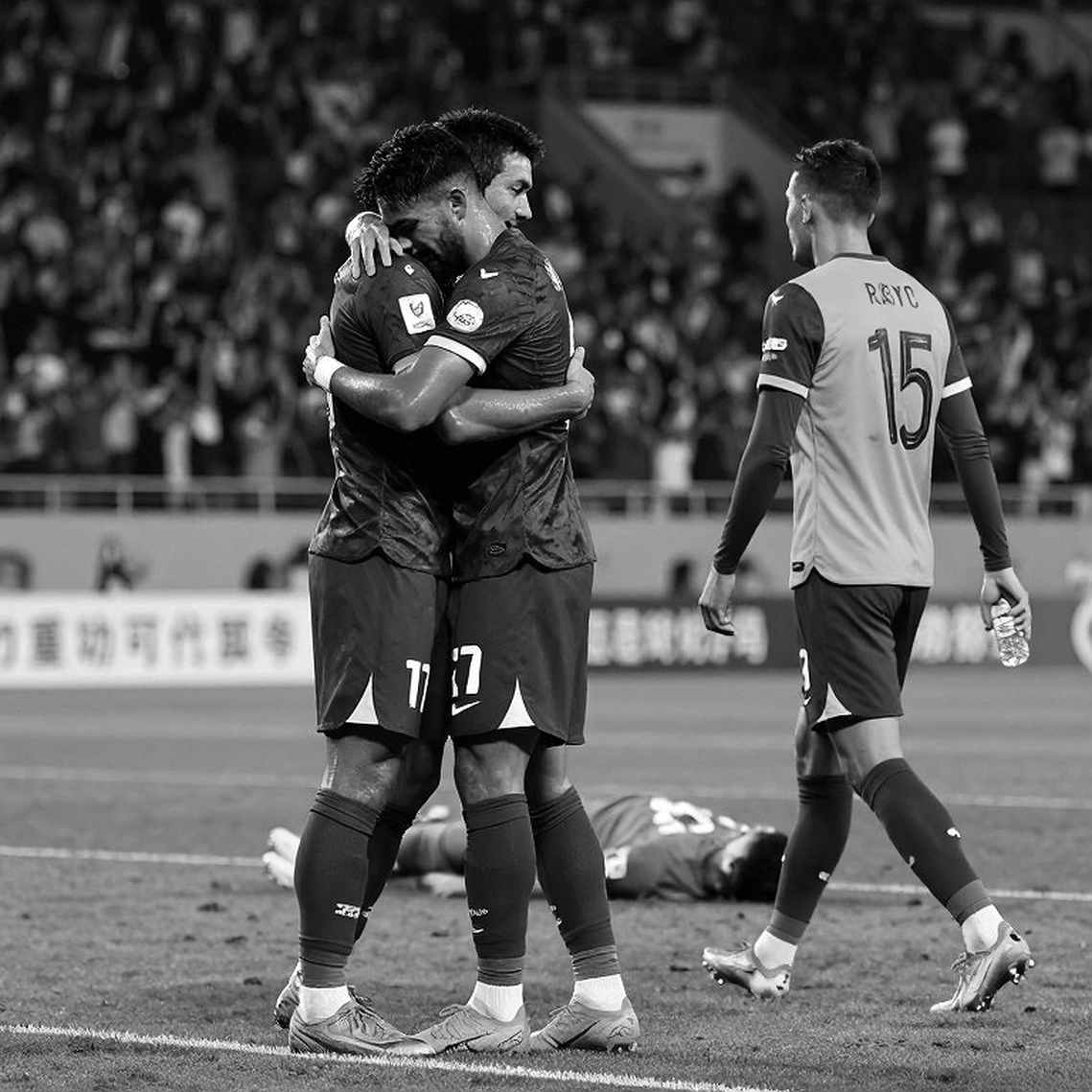
Even so, the result should not be inflated into ‘Vietnam has arrived.’ One runner-up finish establishes competitiveness, not consistency. A single tournament sample cannot prove a regional rise. I looked for the pattern, then I looked for the person inside it. NK’s person lost the final, but the loss revealed a process.
The biggest decision node was opening preparation. Had NK started 1-2 or 2-1 instead of 0-3, the series geometry would have changed. That is a scouting and opening-plan problem, addressable in weeks. For T1, the decision node came after game four: could it re-plan after seeing NK’s adjustment? It survived to penalties, but by the thinnest margin.
I left the final column of my spreadsheet blank. The most honest conclusion is that a rematch would likely be near-even. T1’s trophy rewards institutional consistency; NK’s 3-3 rewards player-level resilience. If NK fixes its opening preparation and Vietnam converts audience scale into coaching and analytics, this runner-up will not remain an isolated story. I kept the spreadsheet open until the stadium went quiet; the answer is still outside the model.